

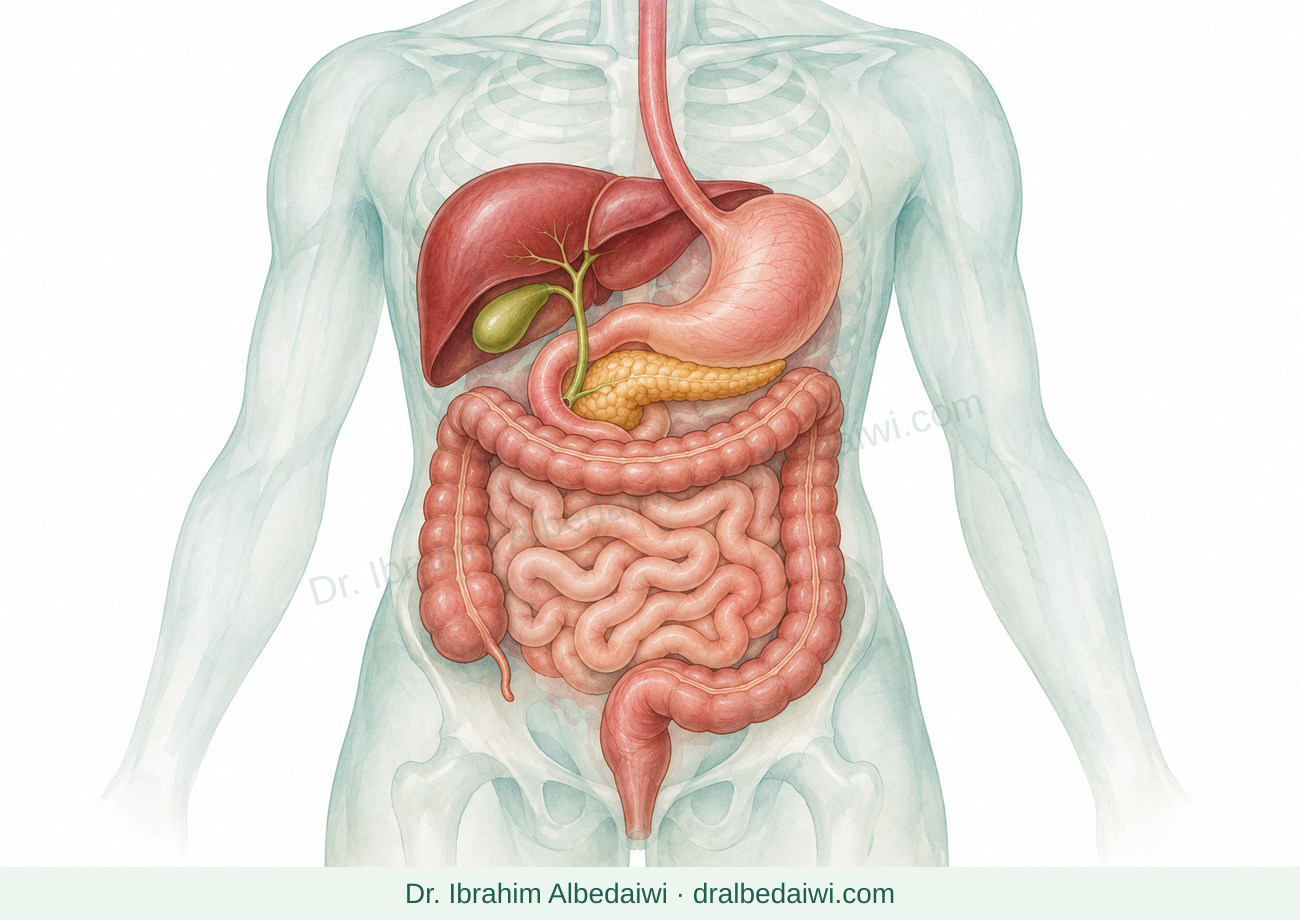

Gastroesophageal reflux disease
Content date: 13 November 2026
Heartburn and reflux can usually be controlled with simple everyday changes and suitable medicine. Difficulty swallowing or new chest pain needs a different assessment.
Your next step
If symptoms occur at night, arrange to raise the head of your bed correctly. If you smoke, ask for a quit plan and review your medicine timing.
Get urgent help: New or pressure-like chest pain, especially with breathlessness or sweating; vomiting blood, black stools, or food remaining stuck or liquids not passing, even if you can swallow saliva.

Understanding the condition: what exactly happens?
- The esophagus is the tube carrying food from your mouth to your stomach. A muscle at its lower end acts as a valve, opening to let food through and closing to limit backflow. If it relaxes at the wrong time or weakens, acid and stomach contents may flow back into the esophagus, causing irritation and heartburn.
- Occasional reflux can happen in healthy people. It is called reflux disease when it repeatedly causes troublesome symptoms or complications. This does not always mean the stomach makes too much acid; often the problem is acid flowing into the wrong place. A hiatus hernia or increased abdominal pressure may contribute.
How does it appear, and what is treatment for?
- Typical symptoms are a burning feeling rising behind the breastbone, or food or sour fluid coming back into the mouth. Symptoms may worsen after meals or with bending and lying down. Reflux can sometimes cause inflammation or narrowing of the esophagus, but most people do not develop serious complications. Not every cough or hoarse voice is due to reflux.
- Treatment aims to relieve symptoms, heal any inflammation and protect the esophagus. An endoscopy may be normal despite reflux; acid monitoring can help when there is uncertainty. The need for ongoing treatment varies, so the plan is reviewed according to the diagnosis and response—not simply because of fear of taking or depending on medicine.
Raise the head of your bed to reduce reflux
Raising the head of the bed is particularly helpful for nighttime heartburn or fluid coming back up when lying down. Keeping your chest and head higher than your abdomen allows gravity to reduce the backflow of stomach contents into the esophagus. This supports treatment rather than replacing it.
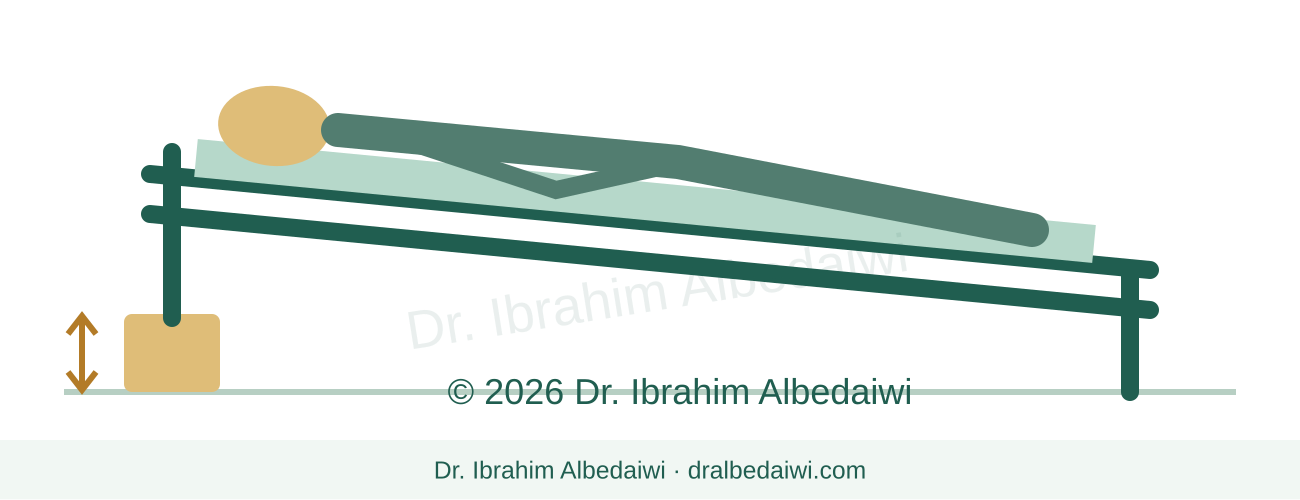
- Raise the head end of the bed by about 15–20 cm using purpose-made, stable risers under the legs at that end, or use an adjustable bed. A long wedge pillow that supports the back, shoulders and head together on a gradual incline is another option.
- Stacking ordinary pillows under the head alone does not provide the same incline and may bend the neck or increase pressure on the abdomen. Make sure the bed is stable and your back comfortable, and ask someone to help set it up safely.
Do I need an endoscopy?
- Treatment for typical symptoms may begin without an endoscopy. We request one for warning signs, risk factors or a lack of improvement. Reflux monitoring may be needed if the diagnosis remains unclear.
Use your medicine correctly
- Many proton pump inhibitors are taken 30–60 minutes before a meal, usually before breakfast. Follow the instructions for your particular medicine; timing differs between products.
- Antacids or alginates may relieve occasional symptoms. Review the lowest effective dose and duration of treatment; some conditions need long-term treatment. Do not change the dose yourself.
Coffee on an empty stomach and after fasting
- Coffee can worsen heartburn and reflux in some people. If it triggers your symptoms, avoid it on an empty stomach or as your first drink after fasting. If you choose to drink it, try a small amount after a light meal instead. Drinking it after food does not guarantee prevention of reflux; reduce or avoid it if symptoms persist, and do not lie down after eating. There is no strong evidence that coffee on an empty stomach harms everyone.
Changes that can help
- Allow about 3 hours between your last meal and lying down. During Ramadan, avoid a large meal immediately before sleep.
- Lose weight gradually if you are overweight, and try smaller meals.
- Reduce foods you notice trigger your symptoms; there is no single forbidden-food list for everyone.
Smoking and reflux: make quitting part of treatment
- Smoking may weaken the muscular barrier between the stomach and esophagus, allowing acid to flow back more easily. Quitting is an important step in relieving reflux and protecting your health, particularly if symptoms persist despite medicine.
- The goal is to stop completely. If that feels difficult now, start cutting down as part of a clear plan to quit, and ask a smoking cessation clinic or your doctor about suitable support. Cutting down is a step towards quitting and does not remove the harm.
If you are not improving
- Check that you take your medicine regularly and at the right time, and record when heartburn occurs and its relationship to food and sleep. Do not double the dose yourself.
- Tell your doctor about difficulty or pain with swallowing, repeated vomiting, anemia or weight loss. Anti-reflux procedures are suitable for selected patients after assessment.
Eating with acid reflux
Meal size and timing matter. There is no single list of foods that everyone must avoid.
Meal size and timing
Try smaller meals and leave about three hours between the last meal and lying down.
Identify your own triggers
Reduce foods that repeatedly cause your symptoms; there is no identical banned list for everyone.
Options to try
Lighter meals
Moderate portions of rice, oats or bread, with grilled or baked chicken or fish instead of fried food.
Vegetables and fruit as tolerated
Try cooked or fresh vegetables, bananas, melon or pears. You do not need to avoid all fruit.
Drinks and dairy
Choose water instead of drinks that trigger symptoms, and lower-fat dairy if you tolerate it. Watch the portion and preparation method.
Reduce your own triggers
Fat and heavy meals
Fried and fatty meals and large portions may worsen reflux, especially before bed.
Triggers for some people
Coffee, caffeine, chocolate, mint and spicy foods. Reduce the items you notice trigger your symptoms.
Acidic foods and drinks
Tomatoes and citrus fruit may bother some people. Reduce them if they trigger symptoms; they are not forbidden for everyone.
Leave time before bed
Finish your last meal three hours before lying down or going to sleep, and avoid lying down after eating.
Try one clear change
Record food, portion size, timing and symptoms, then assess the effect of the change. Lose weight gradually if you are overweight.
Diet can help but does not replace treatment. Difficulty swallowing, bleeding or unintentional weight loss needs medical assessment.
When to get help
New or pressure-like chest pain, especially with breathlessness or sweating; vomiting blood, black stools, or food remaining stuck or liquids not passing, even if you can swallow saliva.
Increasing difficulty swallowing, unintentional weight loss, or symptoms continuing despite taking treatment correctly.
Guides for your care journey
Read the related guides together: