


Herbs, mixtures and supplements: benefits and risks
Content date: 14 November 2026
A practical guide to common herbs and postpartum, weight-loss and sports products. Natural does not necessarily mean safe; risk depends on the product, exposure and your health.
Your next step
Photograph all herb and supplement packages and record doses and dates. Ask whether you need them and whether they suit your health.
Get urgent help: Jaundice with confusion or unusual drowsiness, bleeding, persistent vomiting, fainting or rapid deterioration: go to emergency care immediately; do not wait for a message reply.
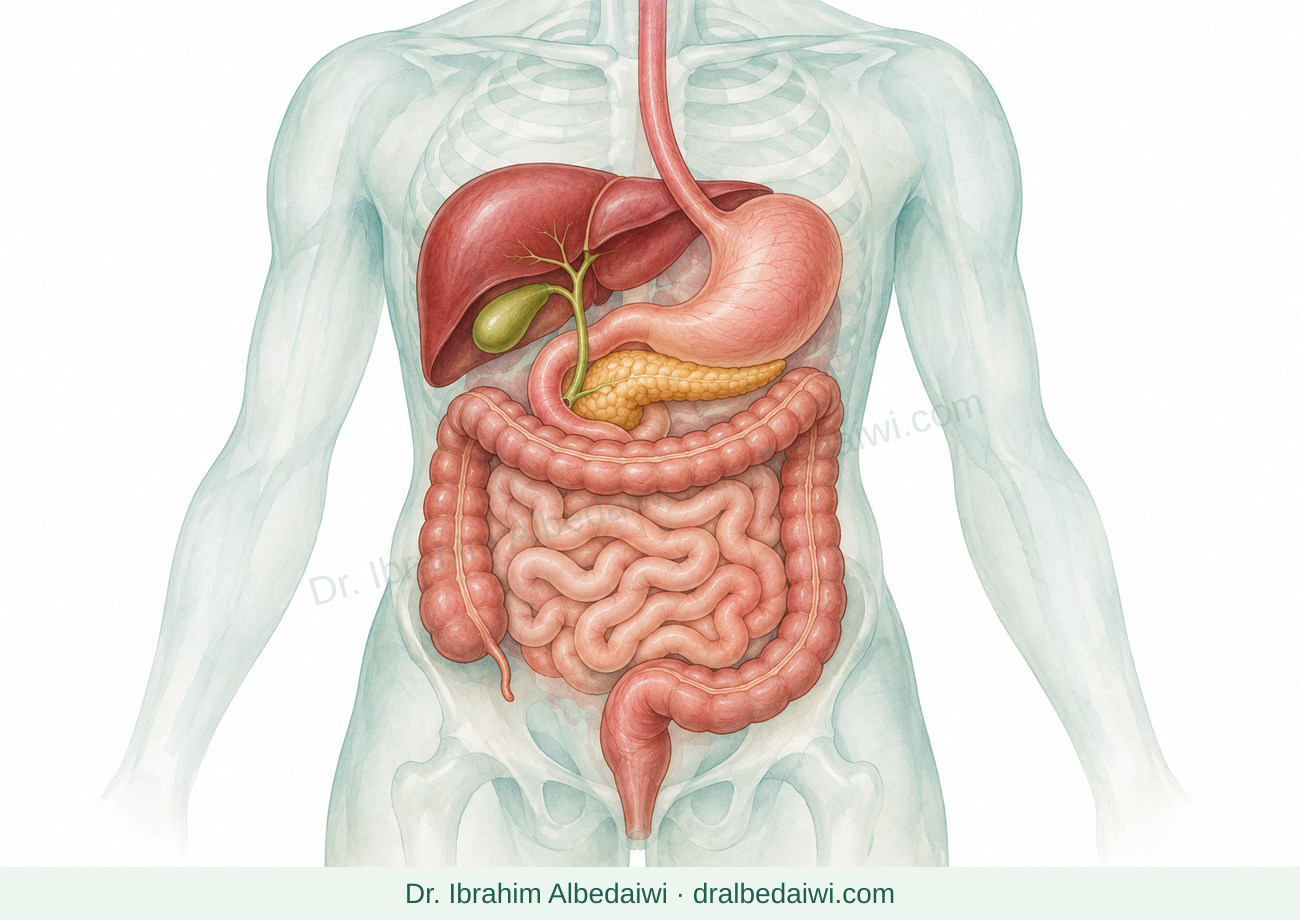
How can the liver be affected?
- A herb or supplement may inflame liver cells or interfere with bile flow. Injury may start without symptoms or cause fatigue, nausea, itching or jaundice. Many cases improve when the cause is stopped, but some become severe and need hospital treatment, occasionally including liver transplantation.
- A reaction can occur even at the labelled dose. Concentrated extracts, multiple or unknown ingredients, contamination and undeclared drugs complicate assessment. Symptoms starting after a product do not prove it caused them; other causes must be excluded.
Before you start
- What is the product intended to do? Is benefit established for your condition? Could it interact with your medicine? Ask your doctor or pharmacist.
- Bring the product name and a photograph of its ingredient list. The herb’s name alone is not enough, as concentrations and mixtures vary.
- Avoid mixtures of unknown composition and claims of “liver cleansing” or rapid weight loss. You do not need a supplement to cleanse your liver.
Ordinary food differs from a concentrated extract
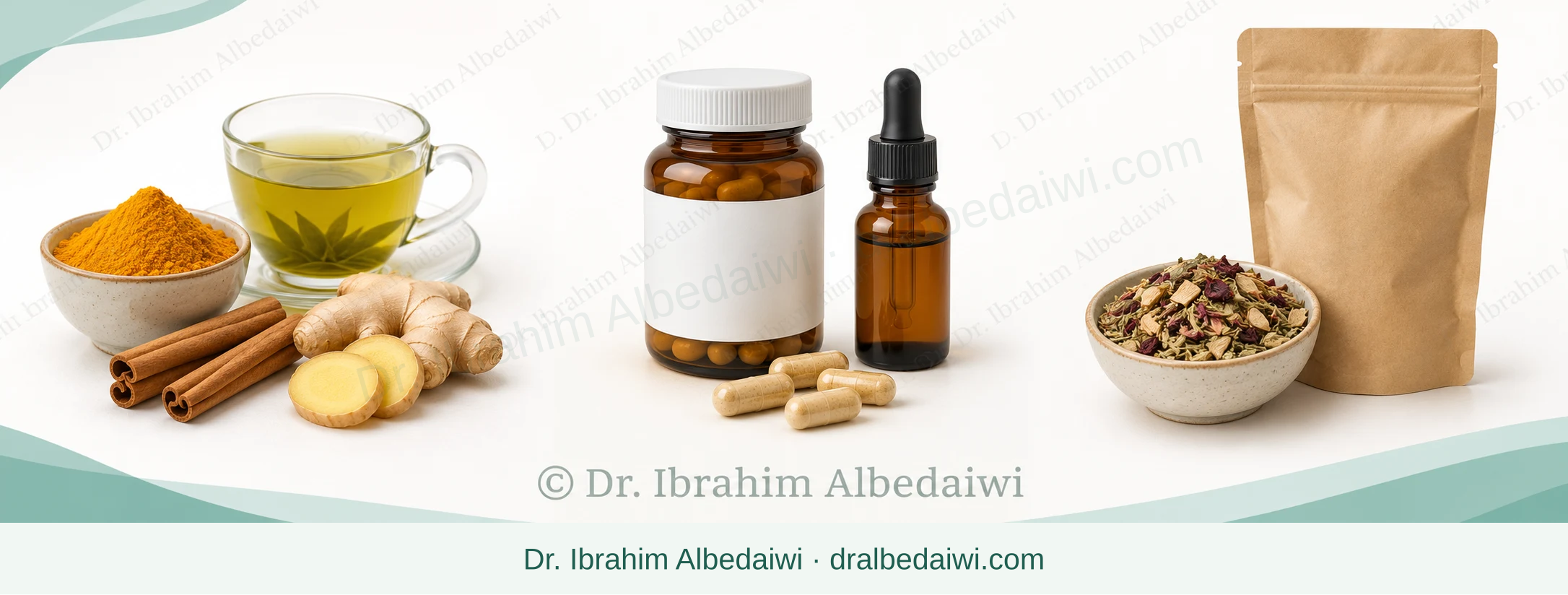
- Cooking amounts of turmeric and brewed green tea are different from curcumin capsules or concentrated green tea extract. More is not necessarily better, and none should replace liver treatment.
- Reports of liver injury do not mean every user will be affected, while a lack of reports does not prove complete safety. Brands, manufacturing methods and ingredients can differ despite similar names.
- On curcumin supplement labels, look for “piperine”, “black pepper extract” or “enhanced absorption”. Better absorption does not mean greater safety. This warning concerns concentrated preparations, not ordinary turmeric or black pepper used in food.
Bodybuilding and weight-loss products
- Anabolic steroids and some products marketed as SARMs, such as ostarine and ligandrol, can cause serious liver injury with prolonged jaundice and itching. Some products contain undeclared steroids. A label saying “for research only” is not a safety assurance.
- Marked jaundice and itching need assessment even when liver enzyme elevations are modest. A lower enzyme level alone does not mean mild disease.
- Whey protein and creatine monohydrate are not anabolic hormones and are not established major causes of liver injury with conventional use of reliable products. This does not guarantee every product or mixture is safe. People with liver or kidney disease need individual advice.
- “Detox” mixtures and laxatives can cause water loss and dehydration; this is not sustainable fat loss.
Traditional postpartum herbal mixtures
- These may include fenugreek, garden cress, cinnamon, black seed, ginger, fennel or anise. They are not all established liver toxins in ordinary food amounts. Unknown mixtures, high doses and concentrated extracts are more concerning; do not use Teucrium polium as a postpartum remedy.
- Fenugreek is not a common or well-established cause of liver injury, but limited reports describe harm during supplement use, sometimes in mixtures. They cannot establish that fenugreek alone caused every case. Allergy, low blood sugar and medicine interactions are also possible.
- Safety in food amounts does not establish safety at medicinal doses during pregnancy or breastfeeding. Avoid amounts of fenugreek above food levels in pregnancy, and seek advice before milk-supply supplements. Assessment of feeding and nutrition comes before an unknown mixture.
Transplantation, pregnancy and medicine interactions
- After liver transplantation, check every herb or supplement with the transplant team, even if it is not known to injure the liver: it may alter anti-rejection medicine levels. For example, St John’s wort can reduce cyclosporine effectiveness. Pregnancy, breastfeeding, and planned procedures also require review. Bring the container or a label photograph, and disclose every ingredient and when you started it.
Ashwagandha
- It may help some people with sleep or stress, but liver benefits are unproven and rare liver injury has been reported.
- Avoid ashwagandha products if you have liver disease, and during pregnancy or breastfeeding. Consult your doctor if you have thyroid disease or take sedatives or immunosuppressants.
Milk thistle (silymarin)
- A clear treatment benefit for fatty liver or viral hepatitis has not been established. Lower liver enzymes alone do not prove that fibrosis has improved.
- It may cause digestive upset or allergy, and product quality varies. Discuss whether you need it rather than assuming it is harmless.
Peppermint oil and IBS
- Enteric-coated capsules may help some patients with pain in the short term, but can worsen heartburn and reflux.
- Choose an appropriate product with your doctor or pharmacist. Do not drink concentrated essential oils or substitute them for capsules intended for medical use.
- If you have liver disease, gallstones or a bile-duct disorder, do not start peppermint oil capsules yourself. Check with your doctor or pharmacist and read the product leaflet; some oral preparations are contraindicated in these conditions.
Apple cider vinegar and black seed
- Using them in food does not mean that drinking vinegar or taking oils or capsules treats fatty liver. Do not replace diabetes or liver medicines with them.
- Concentrated vinegar can irritate the esophagus and damage teeth. Concentrated products need review of ingredients and interactions, especially with diabetes and blood pressure medicines.
What should I tell my doctor?
- Include every product, even one sold as food, tea or a sports powder: name, packaging and ingredient photos, dose, and start and stop dates. Mention weight-loss, bodybuilding and postpartum products, including those used in the preceding months.
- If symptoms suggest a reaction, do not take another dose of a non-essential supplement before assessment; keep the packaging. Do not stop all prescribed medicines, especially transplant medicines, yourself. Do not retry a product suspected of causing liver injury without a specialist decision.
How is it assessed and followed up?
- Liver and clotting tests and imaging may be needed to exclude blocked ducts, infection and other causes. No single test proves a herb caused the problem. Your doctor determines whether hospital care is needed and arranges monitoring and adverse-event reporting.
- Tests may take weeks or months to return to normal. Do not substitute a “liver cleanse”. Bring your product list to each visit, including after recovery.
- Vitamins prescribed for a proven deficiency differ from unsupervised use; do not stop them merely because they are called supplements.
Herb directory
Open the group you need. This is not an exhaustive list: an unlisted product is not necessarily safe, and an unknown mixture cannot be assessed without its ingredients.
Products linked to important liver injury
| Ingredient or product | What should I know? |
|---|---|
| Concentrated turmeric / curcumin | Can cause liver-cell inflammation, occasionally severe; cooking amounts differ. Some products enhance absorption. |
| Green tea extract | A recognized cause of liver injury, including in some weight-loss products; not equivalent to ordinary brewed tea. |
| Ashwagandha | Rare injury may combine inflammation and impaired bile flow. Avoid products containing it if you have liver disease. |
| Garcinia cambogia | Its weight-loss benefit is uncertain; do not rely on it for weight management. Marketed for weight loss; linked to hepatitis, occasionally severe. |
| Kratom | May cause impaired bile flow or mixed injury with itching and jaundice; not a liver treatment. |
| Teucrium polium (germander) | Linked to serious injury, with reported cases requiring transplantation; avoid medicinal use. |
| Khat | May cause acute or chronic hepatitis, sometimes with autoimmune-like features. |
Risks that depend on exposure and strength of evidence
| Ingredient or product | What should I know? |
|---|---|
| Cinnamon | Concern is greater with coumarin-rich cassia cinnamon in large or prolonged amounts; moderate food use differs from concentrated supplements. |
| Senna | Liver injury is rare, particularly reported with high doses or prolonged excessive use; follow your prescribed laxative plan. |
| Oral aloe vera | Rare hepatitis cases have been reported with products taken by mouth; this differs from topical skin gel. |
| Moringa | Very rare reports; not an established major liver toxin. Sparse reports do not guarantee high-dose or mixed products are safe. |
Common herbs: other important risks and interactions
| Ingredient or product | What should I know? |
|---|---|
| Licorice | It is not a recognised major cause of liver injury, but it can raise blood pressure, lower potassium, and cause fluid retention or abnormal heart rhythms. Avoid medicinal or repeated use without clinical advice, particularly with ascites, heart or kidney disease, diuretics, or other interacting medicines. |
| Indian costus (Saussurea costus) | It is not a proven treatment for liver disease. Product quality and mistaken plant identity matter: some substitute herbs may contain kidney-toxic aristolochic acids. This does not mean authentic costus always contains them. Avoid unidentified mixtures and show the packaging to your clinician or pharmacist. |
| Myrrh | Traditional use of certain topical or mouth-rinse products does not establish the safety of swallowing homemade mixtures or a benefit for liver disease. Medicinal use is not recommended during pregnancy or breastfeeding because safety data are insufficient. Discuss oral preparations with your clinician, especially when taking other medicines. |
| Harmal (Peganum harmala) | Ingestion can cause serious poisoning affecting consciousness, the nervous system, and the heart; severe cases may also injure the kidneys and liver. Do not use it for self-treatment, particularly during pregnancy. Common names may refer to different plants, so a name or picture alone cannot confirm plant identity. |
Culinary and postpartum herbs: what do we know about safety?
| Ingredient or product | What should I know? |
|---|---|
| Ginger | It is not an established major cause of liver injury and may help some types of nausea, but it does not treat liver disease. It can worsen heartburn or cause diarrhoea. Food amounts differ from concentrated supplements, which should be reviewed during pregnancy, breastfeeding, or use of other medicines. |
| Fennel and anise | Culinary flavouring differs from frequent large amounts of herbal tea or extracts. Evidence for increasing breast-milk supply is limited. Harm has been reported with excessive use of some multi-herb lactation teas; those reports do not prove fennel or anise alone caused it. Mixtures cannot replace assessment of feeding problems. |
| Black seed / black cumin (Nigella sativa) | It is not a recognised common cause of liver injury, but this does not prove a benefit for viral hepatitis or cirrhosis, or guarantee every oil, capsule, or mixture is safe. Allergy can occur and product quality and concentration vary. Do not replace prescribed treatment; have concentrated products reviewed. |
| Garden cress (Lepidium sativum) | It is commonly included in postpartum mixtures. Food use does not establish the safety of medicinal doses or concentrated mixtures, or prove a liver benefit. It should not be labelled an established hepatotoxin, nor should all products be assumed safe. Review mixtures during pregnancy, breastfeeding, or liver disease. |
These examples are not a precise risk ranking. Case reports alone cannot compare injury rates between ingredients.
© 2026 Dr. Ibrahim Albedaiwi
When to get help
Jaundice with confusion or unusual drowsiness, bleeding, persistent vomiting, fainting or rapid deterioration: go to emergency care immediately; do not wait for a message reply.
New jaundice, dark urine, severe itching or abnormal liver tests during or after a supplement: seek same-day assessment. Do not take another dose of a non-essential supplement before assessment.
Related guides
Fatty liver and steatohepatitis
Care after liver transplantation
Raised liver enzymes: what do they mean?
Pregnancy and breastfeeding with bowel and liver disease
Sources
FDA: bodybuilding supplement risks
NIH: botanical supplement safety
Further reading: Dr Abdullah Al-Khathlan’s website (Arabic)
AASLD drug, herbal and supplement liver injury · 2022/2023
TGA: ashwagandha and liver injury
LiverTox: germander / Teucrium
FDA: SARMs and bodybuilding products
NIH ODS: exercise and athletic performance supplements
NIH NCCIH — Medication and supplement interactions
NIH NCCIH — Using Dietary Supplements Wisely
Australian TGA — Saussurea costus identity/testing assessment
European Medicines Agency — Myrrha
EMA — Myrrh herbal monograph, pregnancy/lactation
Primary poison-centre series — 200 Peganum harmala poisonings
Primary case report — Peganum harmala intoxication in pregnancy
NIH LiverTox — Black Cumin Seed
SFDA — Herb list identifying Garden cress (historical list, not a current therapeutic approval)