


Liver transplantation: when is evaluation needed?
Content date: 13 November 2026
Not everyone with F4 cirrhosis needs a transplant. Referral allows timely assessment of your options; it does not automatically mean joining a waiting list or having surgery.
Your next step
Ask: is transplant evaluation appropriate now, and which reports and tests should I bring?
Get urgent help: New confusion, difficulty waking, vomiting blood, black stools, severe breathlessness or rapidly worsening jaundice with significant illness: seek emergency care rather than waiting for transplant assessment.
What is a liver transplant?
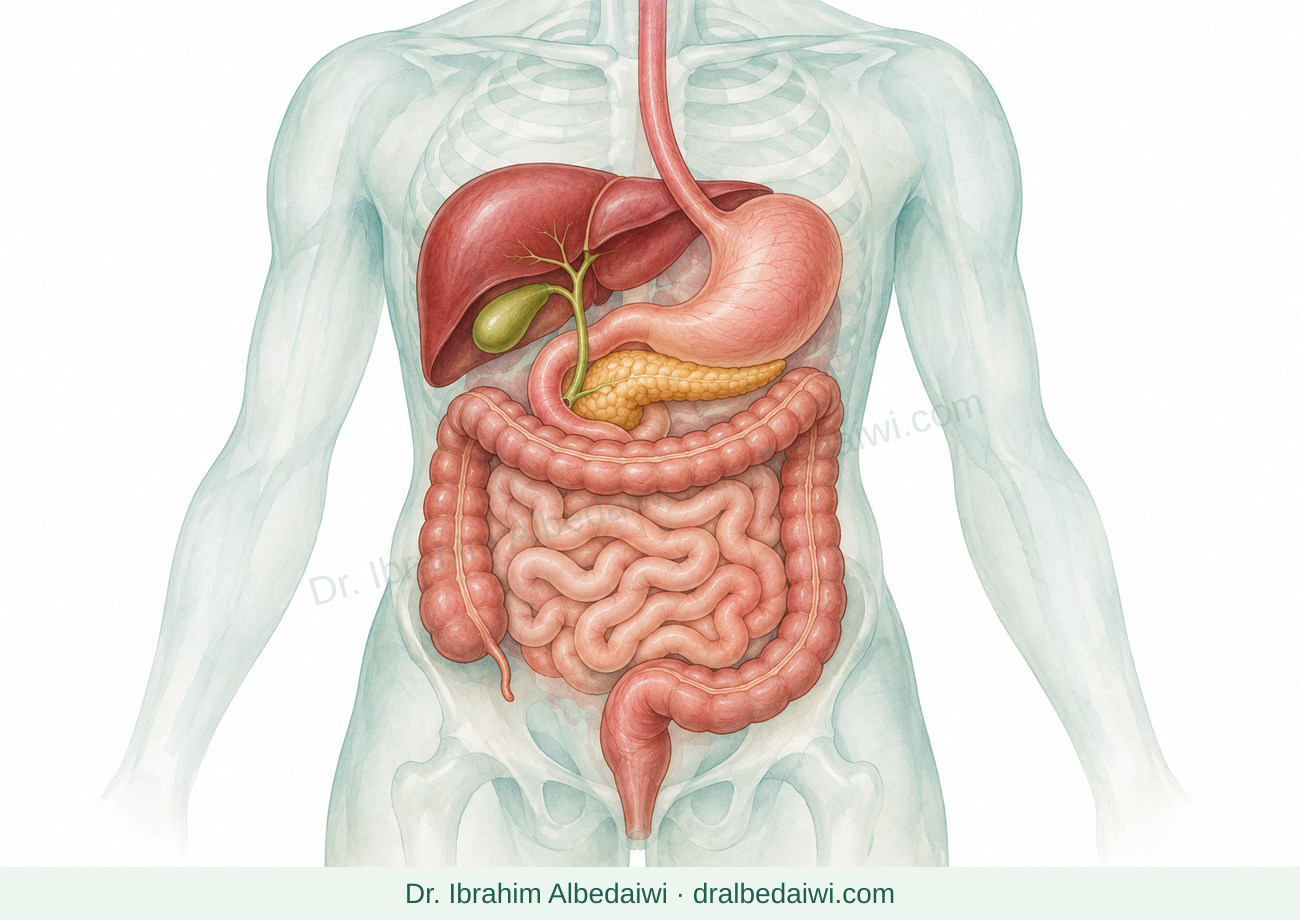
- Surgery replaces the diseased liver with a liver from a deceased donor or part of a living donor’s liver. The team balances likely benefit against surgery and long-term treatment risks, while continuing treatment of the underlying disease and its complications.
When should referral be discussed?
- Discuss referral after complications such as abdominal fluid (ascites), bleeding varices or hepatic encephalopathy causing confusion, or when liver and kidney function deteriorate. Waiting for repeated episodes or critical illness may lose valuable preparation time.
- Transplantation may suit selected liver cancers, depending on tumor features, and certain other conditions. Acute liver failure can develop without previous cirrhosis and requires urgent assessment at a transplant center.
What does MELD mean?
- MELD combines laboratory results and other information to estimate disease severity and help prioritize care. It is not a stand-alone acceptance or rejection rule: complications or cancer may warrant evaluation despite a lower score. Your team interprets it alongside your condition and the center’s allocation system.
What happens during evaluation?
- The team reviews liver reports, blood tests, scans and medicines, and assesses the heart, lungs, kidneys, nutrition and muscle strength. Infection, vaccinations, screening needs, emotional and social support, and practical help from family are also reviewed.
- Evaluation may lead to continued care without transplantation for now, further tests or treatment of correctable problems, or acceptance. The team explains its criteria and possible waiting time. There is no guaranteed date, and age alone does not determine the decision.
How can I prepare while waiting?
- Maintain nutrition, protein intake and activity suited to your ability, and review vaccinations and medicines. Avoid alcohol, stop smoking and do not start herbal remedies or crash diets. Arrange a support person, transport, a medicine list and the transplant coordinator’s contact details.
- Tell the team about hospital admissions, infection, bleeding or other changes, and keep laboratory and imaging assessments up to date. Do not wait for a message reply during acute deterioration.
What should I know about surgery and afterwards?
- Transplantation can improve survival and quality of life, but it is major surgery. Risks include bleeding, infection, blood-vessel or bile-duct problems, rejection and failure. Individual risks differ. Recipients usually need lifelong anti-rejection medicines and regular follow-up; discuss benefits, alternatives and concerns before deciding.
The evaluation journey at a glance
| Step | What does it mean? |
|---|---|
| Referral | Discuss possible benefit and arrange a transplant-centre visit. This is not final approval for surgery. |
| Assessment | Review liver disease, general health, nutrition and recovery potential, and explain options. |
| Team decision | The plan may be monitoring and treatment, further tests or listing, depending on the assessment. |
| Preparation and follow-up | A waiting-list or living-donor evaluation plan, complication treatment and preparation if the centre recommends transplantation. |
© 2026 Dr. Ibrahim Albedaiwi
When to get help
New confusion, difficulty waking, vomiting blood, black stools, severe breathlessness or rapidly worsening jaundice with significant illness: seek emergency care rather than waiting for transplant assessment.
Increasing fluid, poor intake, reduced activity or repeated hospital admissions: contact your liver team promptly to review referral timing.
Guides for your care journey
Read the related guides together:
Related guides
Living liver donation: a guide for donors and families
Care after liver transplantation
Liver cancer: diagnosis and treatment
Ascites: abdominal fluid and drainage
Hepatic encephalopathy: confusion and altered awareness
Budd-Chiari syndrome: blocked liver outflow
Anti-rejection medicines after liver transplantation: a practical guide