

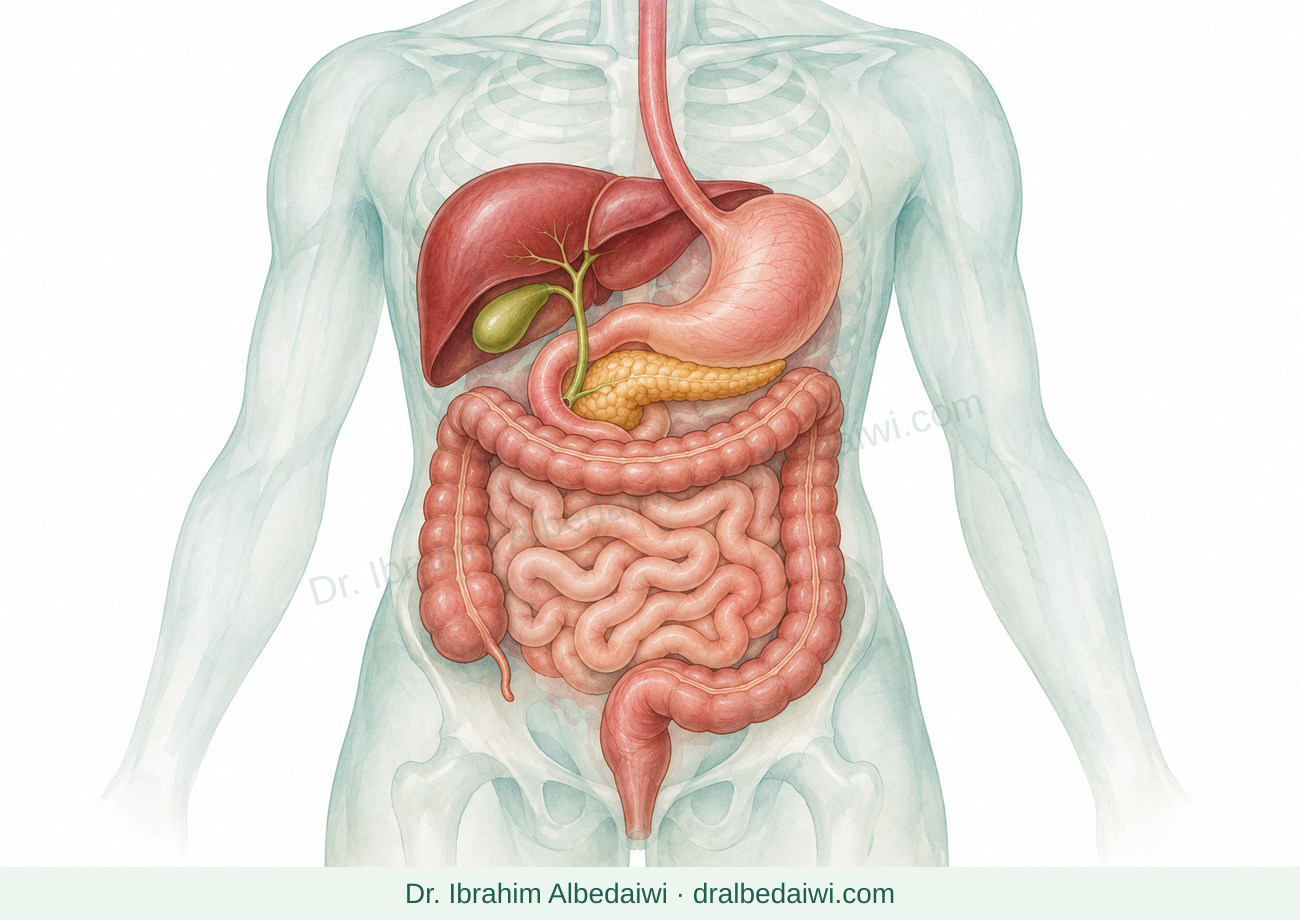

Living liver donation: a guide for donors and families
Content date: 10 November 2026
Donating part of a liver may help someone who needs transplantation, but it is major surgery for a healthy person. Donor safety and a freely made decision come first; no one should feel rushed or pressured.
Your next step
Request a private donor-coordinator appointment and written information on risks, tests and recovery.
Get urgent help: After donation: breathlessness, chest pain, fainting, bleeding, severe abdominal pain or a painful swollen leg require emergency assessment.
How is donation possible?
- A suitable liver portion is transplanted into the recipient while enough liver remains for the donor’s safety. Both the remaining and transplanted tissue can increase in size and function over time. This does not remove surgical risks or mean the removed lobe returns in its original shape.
Who can request assessment?
- In Saudi Arabia, assessment begins at an approved transplant center under Saudi Center for Organ Transplantation rules. Age, overall health, blood group, liver size and anatomy, and liver fat are reviewed. Being at least 18 or having a compatible blood group does not by itself establish suitability.
- Disclose all medicines, supplements, operations and previous illnesses, including pregnancy or pregnancy plans. Evaluation may include blood tests, imaging and additional assessments, with psychological and social review that gives the donor’s interests separate attention from the recipient’s needs.
The decision is yours, including the right to withdraw
- Donation requires informed, voluntary consent without family, social or financial pressure. You may withdraw before surgery. Ask for a private discussion with the donor coordinator about questions and confidentiality; you do not need to justify your choice to other people.
- Agreeing to assessment is not a commitment to donate. Medical unsuitability or deciding against donation does not mean you have failed the recipient. Their team continues to discuss other treatment options.
What are the risks?
- Pain, fatigue, infection, bleeding, bile leakage or blood clots can occur, sometimes requiring another procedure or a longer admission. Rare serious risks include liver failure and death. The team should explain your individual risk, considering the liver portion, your health and the center’s experience.
- A successful recipient outcome is not guaranteed, and a poor outcome may cause emotional distress for the donor and family. Discuss psychological support, time away from work, travel costs and help at home before agreeing.
After donation
- Recovery and return to work, driving and exercise depend on the operation and your progress. Obtain written instructions for wound care, activity, pain relief and blood tests rather than relying on one timetable for everyone.
- Donors do not usually need anti-rejection medicines; those are for recipients. Donors still need postoperative monitoring and continuing health reviews under the center’s program, even when feeling well.
When to get help
After donation: breathlessness, chest pain, fainting, bleeding, severe abdominal pain or a painful swollen leg require emergency assessment.
Contact the donor team the same day for fever, jaundice, persistent vomiting, wound changes or difficulty eating or drinking.
Guides for your care journey
Read the related guides together: