


Wilson disease
Content date: 10 November 2026
An inherited condition causing copper buildup. Regular lifelong treatment protects the liver and brain; diet alone is not enough.
Your next step
Ensure an uninterrupted medicine supply and confirm required copper test appointments.
Get urgent help: Rapid severe jaundice, confusion, gastrointestinal bleeding, sudden severe weakness or acute neurological deterioration.
How does copper build up?
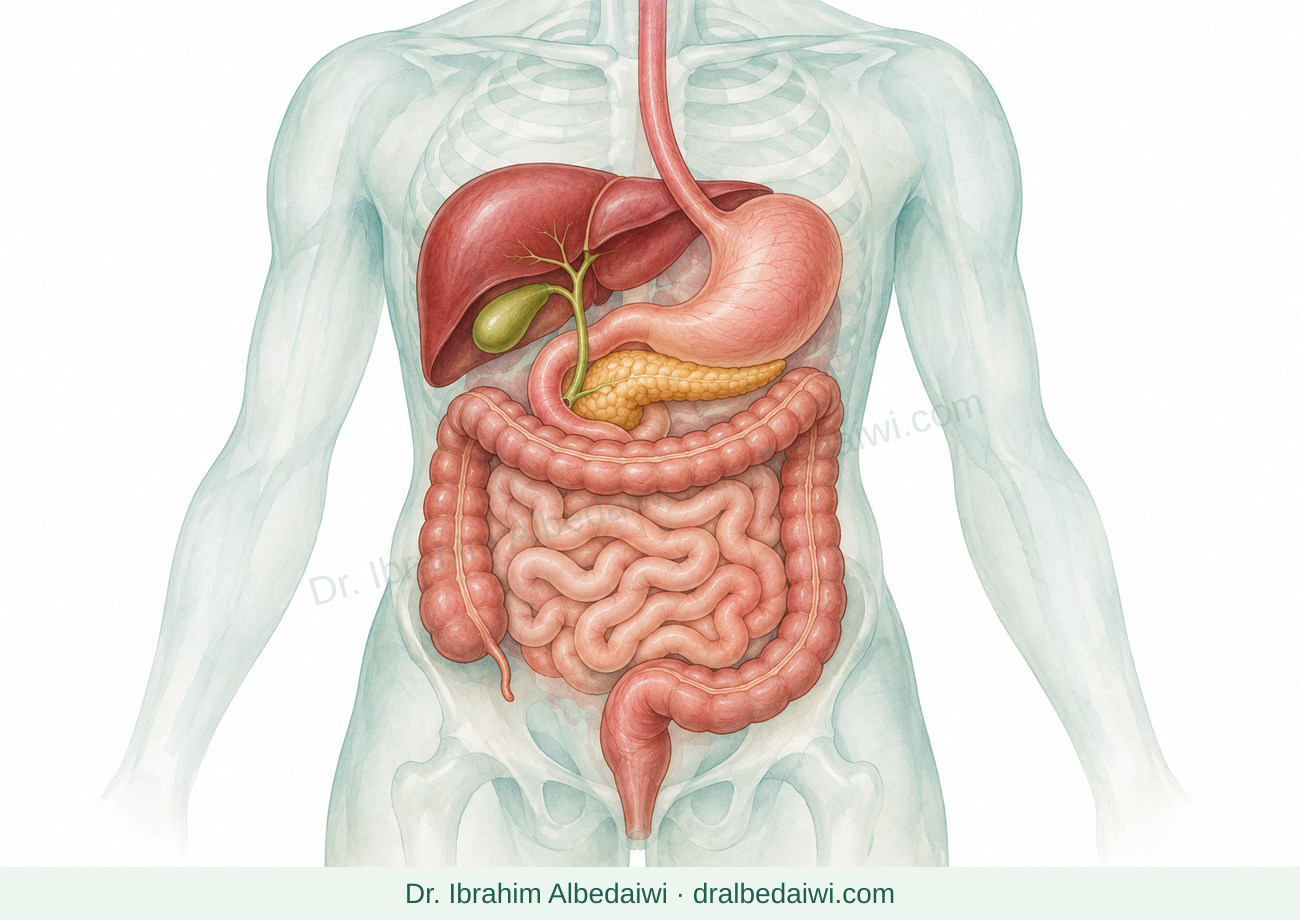
- Copper is a mineral the body needs in small amounts from food. The liver normally processes excess copper and excretes it in bile. In Wilson disease an inherited defect disrupts this process, allowing copper to build up in the liver and then potentially affect the brain, eyes and other organs. It is not simply the result of eating a copper-rich meal.
- The defect is present from birth, but symptoms may be delayed until copper accumulates. People usually inherit an altered gene copy from each parent, who may carry the trait without symptoms. Family screening is therefore useful even when relatives appear healthy.
Why do cases differ?
- One person may have liver problems alone, while another has tremor, difficulty speaking or moving, or behavioral and mood changes. These symptoms require assessment and do not alone establish Wilson disease. A special slit-lamp eye examination may reveal copper deposits that cannot be assessed by ordinary inspection.
- Several test results are combined to confirm diagnosis; blood copper can be low despite copper buildup inside organs. Treatment removes excess copper or reduces absorption, then prevents renewed buildup. Improvement may be gradual and varies with the organ involved and disease duration. Diet supports treatment but cannot alone correct the inherited defect or replace medicine.
How is the diagnosis confirmed?
- We may use blood tests, urine copper, an eye examination and sometimes genetic testing, biopsy or imaging. Diagnosis does not rely on one test alone.
- First-degree relatives need assessment according to the doctor’s plan; early detection allows treatment before damage develops.
Treatment is ongoing
- Some medicines bind excess copper and help the body remove it; zinc may reduce its absorption in appropriate situations. A specialist chooses the medicine, and these options are not automatically interchangeable.
- Do not stop treatment when tests improve; interruption can cause serious deterioration or liver failure.
- Medicines may need different timing in relation to food or each other. Ask for a clear schedule rather than combining them randomly.
Food and supplements
- You may be asked to reduce high-copper foods, especially early in treatment, such as liver, shellfish, nuts and chocolate; your dietitian determines suitable amounts.
- Do not use supplements containing copper. Check vitamin ingredients, and do not start zinc yourself as a replacement for medicine.
- If water comes from a well or flows through copper pipes, discuss whether its copper content should be tested. Do not exclude all foods without a nutrition plan.
How should I monitor myself?
- Keep blood and urine test appointments; accurate 24-hour urine collection may be needed. These tests monitor treatment effectiveness and safety, not just symptoms.
- Report tremor, changes in speech, walking or mood, or a rash, bruising or urinary changes during treatment.
- If planning pregnancy, see your specialist and do not stop treatment; doses and monitoring may change. Arrange enough medicine before travel or before it runs out.
When to get help
Rapid severe jaundice, confusion, gastrointestinal bleeding, sudden severe weakness or acute neurological deterioration.
Any interruption or difficulty obtaining medicine, or new worsening of movement or speech; contact the team promptly.