


Hereditary iron overload (hemochromatosis)
Content date: 10 November 2026
A high ferritin result alone does not prove hereditary iron overload. The iron tests and underlying cause need to be understood before treatment starts.
Your next step
Bring ferritin, transferrin saturation and previous results; do not start treatment based on the ferritin number alone.
Get urgent help: Chest pain, severe breathlessness or fainting, or jaundice with confusion or feeling very unwell.
Understanding the condition
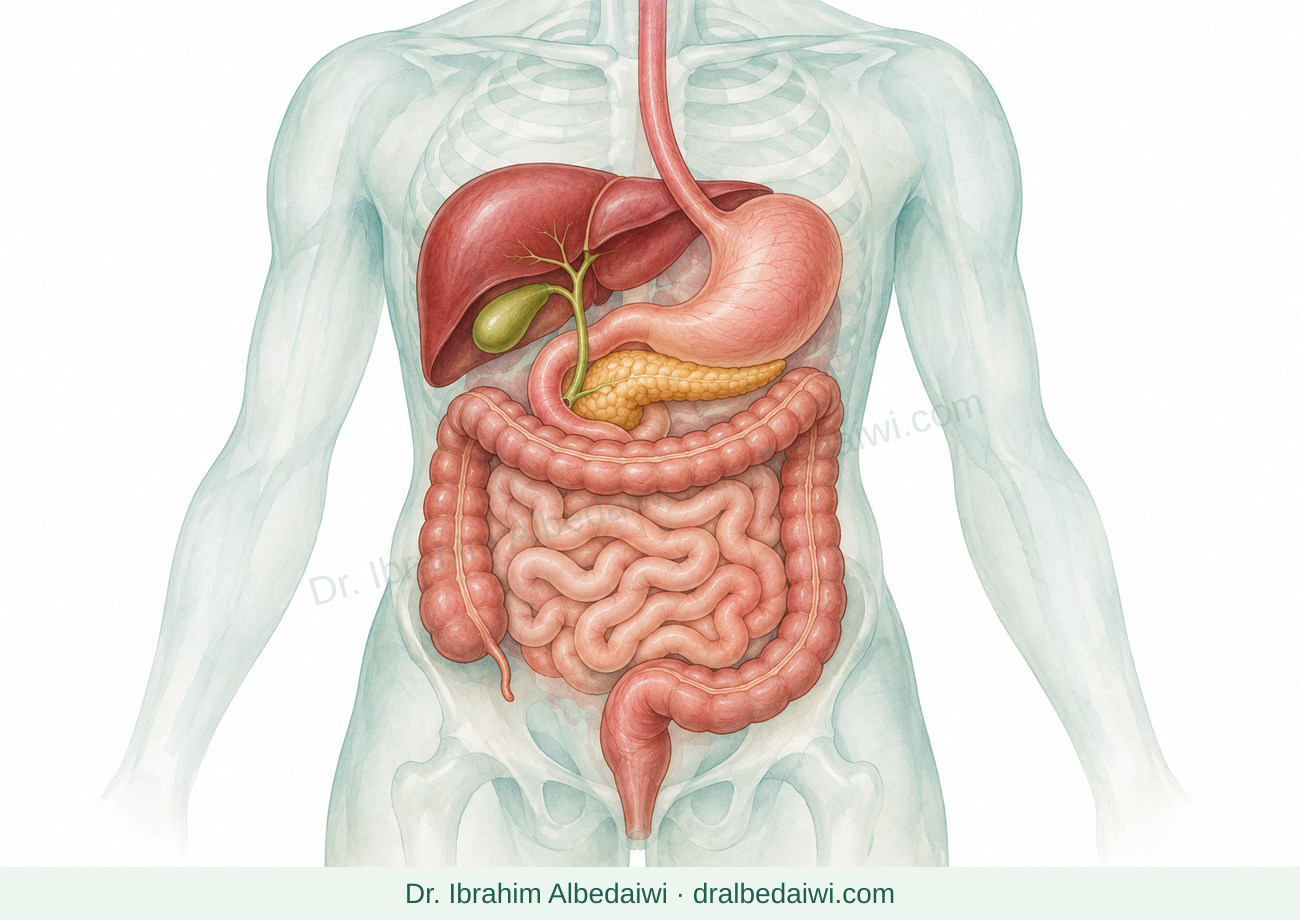
- In hereditary hemochromatosis, the body absorbs more iron than it needs. Iron may gradually build up in the liver and other organs. There may be no early symptoms, or there may be fatigue and joint pain; symptoms alone are not enough for diagnosis.
- Ferritin reflects iron stores but may also rise because of inflammation, fatty liver and other causes. Iron overload from repeated blood transfusions differs from the hereditary type and may need different treatment.
How is the diagnosis confirmed?
- We review ferritin, transferrin saturation and liver tests. Genetic testing or an MRI designed to measure liver iron may be requested, and the degree of liver scarring is assessed. Not everyone needs a biopsy.
- A genetic change alone does not mean organs have been damaged; the specialist interprets it alongside blood tests and family history.
How is it treated?
- The usual treatment for confirmed hereditary disease is planned therapeutic blood removal (phlebotomy), with hemoglobin and ferritin monitoring, followed by a maintenance plan. The team determines the volume and frequency.
- Do not start repeated blood donation or cupping as a substitute for treatment. Blood removal is not done merely because ferritin is high without establishing the cause. Iron-chelating medicines are not the usual choice for this type.
Do I need a special diet?
- Eat a balanced diet; severe dietary restriction does not replace treatment. Avoid supplements containing iron and vitamin C supplements unless your doctor prescribes them for a specific need. You do not need to avoid ordinary iron-containing foods or normal portions of fruit and vegetables.
- Avoid raw or undercooked shellfish, and discuss avoiding alcohol and protecting liver health with the team.
Family and follow-up
- Once hereditary disease is confirmed, the team discusses testing first-degree relatives, especially adults, and interpreting their results. Do not assume every relative is affected.
- People with advanced liver scarring may still need liver cancer surveillance even after iron levels fall. Follow the testing schedule and do not stop follow-up simply because ferritin improves.
When to get help
Chest pain, severe breathlessness or fainting, or jaundice with confusion or feeling very unwell.
Unusual dizziness or fatigue after blood removal, difficulty completing sessions, or a relative diagnosed with hereditary iron overload.