

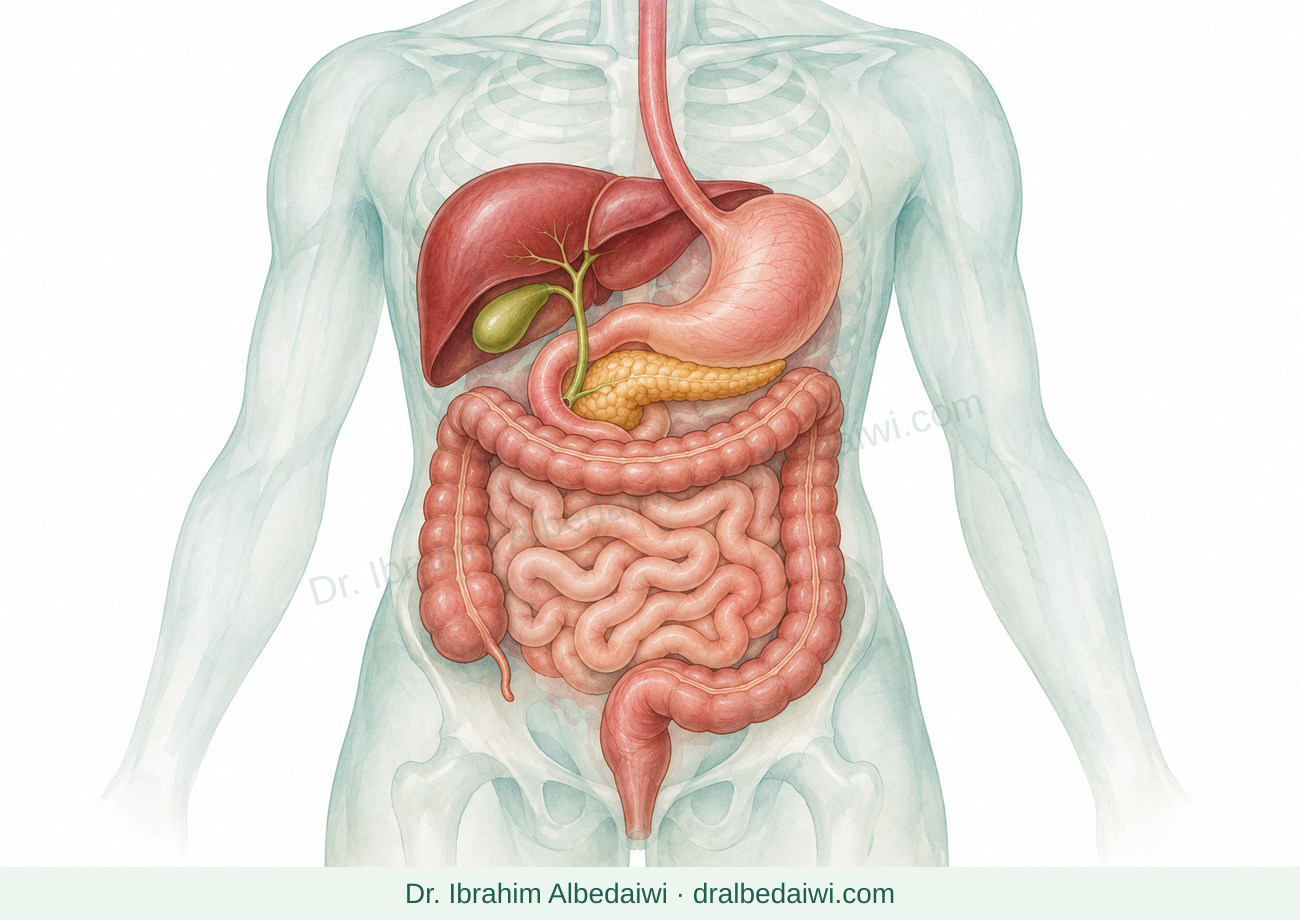

Defecatory disorders and pelvic floor coordination
Content date: 14 November 2026
Soft stool can still be difficult to pass when pushing is not coordinated with relaxation of the anal and pelvic floor muscles. Assessment guides treatment.
Your next step
Record whether stool hardness or emptying is the main difficulty and ask if pelvic-floor function tests are needed.
Get urgent help: Seek urgent assessment for severe pain with vomiting, swelling and inability to pass gas, or new bowel difficulty with saddle numbness, leg weakness or difficulty urinating.
What might I notice?
- Blockage, incomplete emptying, prolonged straining or needing finger assistance are reasons to seek assessment, but do not establish the diagnosis alone.
- Hard stool or slow colon transit may coexist. Bowel-movement frequency alone does not explain the problem.
How is it assessed?
- Your clinician reviews symptoms and medicines and may examine the rectum after explaining the examination and obtaining consent. Mention childbirth, operations and urinary or nerve symptoms.
- Anorectal pressure testing and a small balloon-expulsion test assess coordination and sensation. Imaging during emptying is sometimes needed. Results are interpreted together; colonoscopy does not measure muscle coordination.
What helps?
- A laxative may help hard stool, while specialist biofeedback teaches coordinated pushing and relaxation. Laxatives alone do not correct poor coordination.
- Training may include breathing, positioning and directed home practice. Do not start random pelvic-floor squeezing exercises: some people need to learn relaxation rather than strengthening.
What can I do?
- Avoid prolonged straining and follow your individual food and fluid plan. Record stool consistency, difficulty emptying and treatment response.
- Improvement may take supervised sessions and regular practice. Persistent symptoms warrant reassessment before considering surgery.
When to get help
Seek urgent assessment for severe pain with vomiting, swelling and inability to pass gas, or new bowel difficulty with saddle numbness, leg weakness or difficulty urinating.
Persistent difficulty passing soft stool, recurrent bleeding, unintended weight loss or failure to improve with treatment.
Related guides
Constipation, difficult evacuation and bowel leakage
Fecal incontinence and bowel leakage