

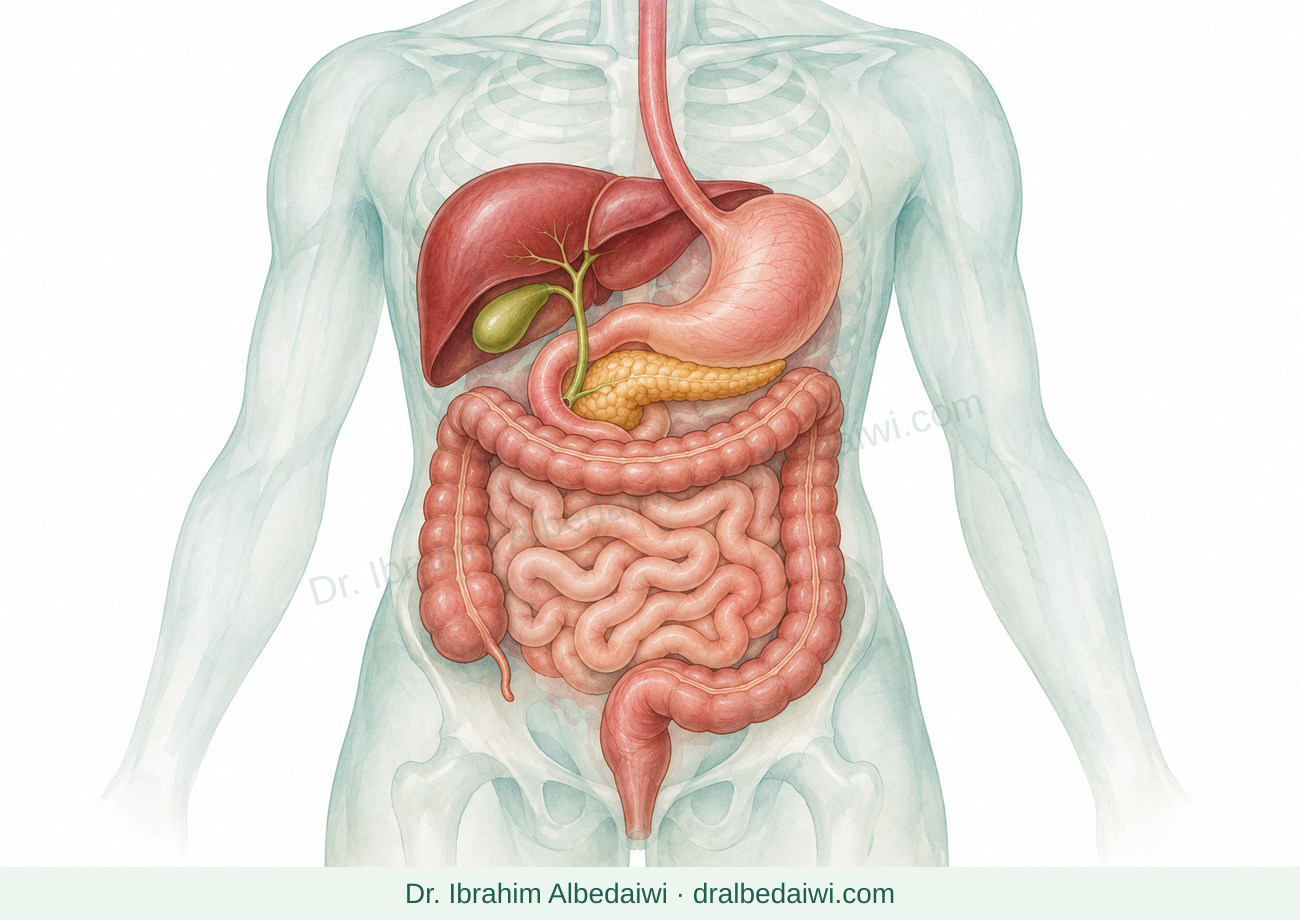

Gastroscopy preparation checklist
Content date: 15 November 2026
If you eat or drink after the cutoff, stomach contents can enter your lungs during the examination (aspiration), especially with sedation. The team may delay or stop the procedure, and you may need another appointment.
Your next step
Follow the food and drink cutoffs your unit gave you. If you ate or drank after the cutoff, call the unit before the procedure and tell them what you had and when.
Tell the team about SGLT2 tablets such as dapagliflozin and empagliflozin, and daily or weekly GLP-1 medicines such as semaglutide and tirzepatide. Ask for the last dose and restart date for each medicine to be written down; do not wait until preparation day.
Procedure date: ........ | Arrival time: ........ | Procedure time: ........
Unit name and location: ........................................................
| Fasting plan approved for you | Date and time |
|---|---|
| Last time for solid food | ................................ |
| Last water (3 hours before the procedure, unless instructed earlier) | ................................ |
| Which medicines may I take with a sip of water? | ................................ |
| Medicine group | Team’s individual instructions | Restart / next dose |
|---|---|---|
| Anticoagulants / antiplatelets (blood thinners) | ................ | ................ |
| Diabetes medicines / insulin | ................ | ................ |
| Daily or weekly GLP-1 medicines | ................ | ................ |
| SGLT2 tablets for diabetes / heart / kidney conditions | ................ | ................ |
| Iron and other medicines | ................ | ................ |
| Acid suppressants (PPIs or P-CABs such as vonoprazan) for H. pylori testing: usually paused for 14 days if the clinician confirms it is safe. | ................ | ................ |
□ I have supplied my medicine list and arranged an adult companion if I will receive sedation.
□ I know when to arrive, when to stop eating and drinking, and when to take my medicines.
□ If I have not followed fasting instructions or my health changes, I will tell the unit before the procedure.
Name of person explaining the plan: ................ | Date: ........ | Patient signature: ........
Regular medicines before endoscopy
Review your complete medicine and supplement list with the endoscopy unit at least a week before the appointment, and earlier if a longer interruption may be needed. Get a written plan for every medicine that needs adjustment.
- Medicines that may continue: Examples include amlodipine or bisoprolol for blood pressure, levothyroxine for thyroid disease and levetiracetam for epilepsy, according to the team’s plan. Bring asthma inhalers. Fasting does not mean stopping every medicine.
- Taking an approved dose: Use a small sip of water at the agreed time. Any dose after the drinking cutoff needs explicit instructions from the unit. Do not independently stop seizure medicines, long-term steroids or transplant medicines.
- Medicines needing a separate plan: Insulin and diabetes medicines, including SGLT2 and GLP-1 medicines, diuretics and some heart and blood-pressure medicines. The team sets what to continue or hold and when to restart. Do not stop all insulin yourself.
- Blood thinners: Examples include warfarin, apixaban and clopidogrel. Any interruption or adjustment needs an agreed plan from the prescribing doctor and gastroenterologist. Low-dose aspirin usually continues for most endoscopic procedures.
- Acid suppressants (PPIs and P-CABs): For planned H. pylori testing, confirm with your team whether to hold PPIs or potassium-competitive acid blockers such as vonoprazan for two weeks before testing. Test for cure at least four weeks after the last antibiotic or bismuth dose. Follow your team’s instructions if you need ongoing treatment or urgent endoscopy.
Full guide: my medicines before endoscopy, interruption and restarting
Your fasting timetable
Calculate your preparation and fasting timetable
Enter the date and actual procedure start, not arrival time.
Select the product and plan prescribed by your endoscopy unit.
Use the standard plan only after your team confirms suitability, especially with pregnancy, fluid restriction, kidney or heart disease, a severe IBD flare or delayed stomach emptying. If obstruction is suspected or severe pain is worsening, do not start the laxative; seek assessment.
Do not enter personal information; inputs stay on this page and are not sent to the clinic. Keep a copy of your timetable.
What to expect on procedure day
Written guidance: preparation
Reads the displayed text using an available voice on your device.
Read the instructions
Confirm the type of endoscopy, the date, the procedure start time and the arrival time with your unit. Arrival and procedure start may be different.
Follow your prescribed preparation sheet. For colonoscopy, confirm the product, fluid amounts and dose times. Use the calculator only when its plan matches your unit’s prescription.
Check your last food and drink times and your medicine plan with the team, especially blood thinners and diabetes or weight-management medicines. Do not stop or change a medicine yourself.
If you cannot finish preparation, keep vomiting or fall behind the timetable, contact the unit. Do not double doses, rush fluids to catch up or drink after the cutoff.
If sedation is planned, arrange an escort home. Bring your medicine list and reports, and follow your written instructions.
What can I eat before gastroscopy?
For gastroscopy alone in the afternoon, you may have a light dinner the previous evening. There is no routine need to stop eating the evening before an afternoon procedure. Use the calculator for your last permitted meal and drink times, unless your unit prescribed a different plan.
- Light food, milk and all drinks other than water: stop at least 6 hours before the procedure. A light meal means a small amount of plain toast, not a meat or fatty meal.
- Fatty, fried or meat-containing food: finish at least 8 hours before; a longer fast may be needed. Examples include meat kabsa, shawarma, burgers and fried food.
- Water only: once the food fast begins, only water is allowed. Stop water completely 3 hours before the procedure. No milk, laban, juice, coffee or tea during this water-only period.
Tell the team about slow stomach emptying, persistent vomiting/fullness, swallowing problems or medicines that may delay emptying. These may need a tailored plan; a longer fast alone does not guarantee an empty stomach. If gastroscopy and colonoscopy are combined, follow the prescribed colonoscopy diet and clear-fluid preparation; do not use the water-only rule to omit required preparation fluids.
The 3-hour water cutoff is this clinic’s operational margin. Endoscopy guidance permits water until 2 hours before in suitable patients; follow your unit’s written instructions.
Guides for your care journey
Read the related guides together: