


Spironolactone for ascites
Content date: 15 November 2026
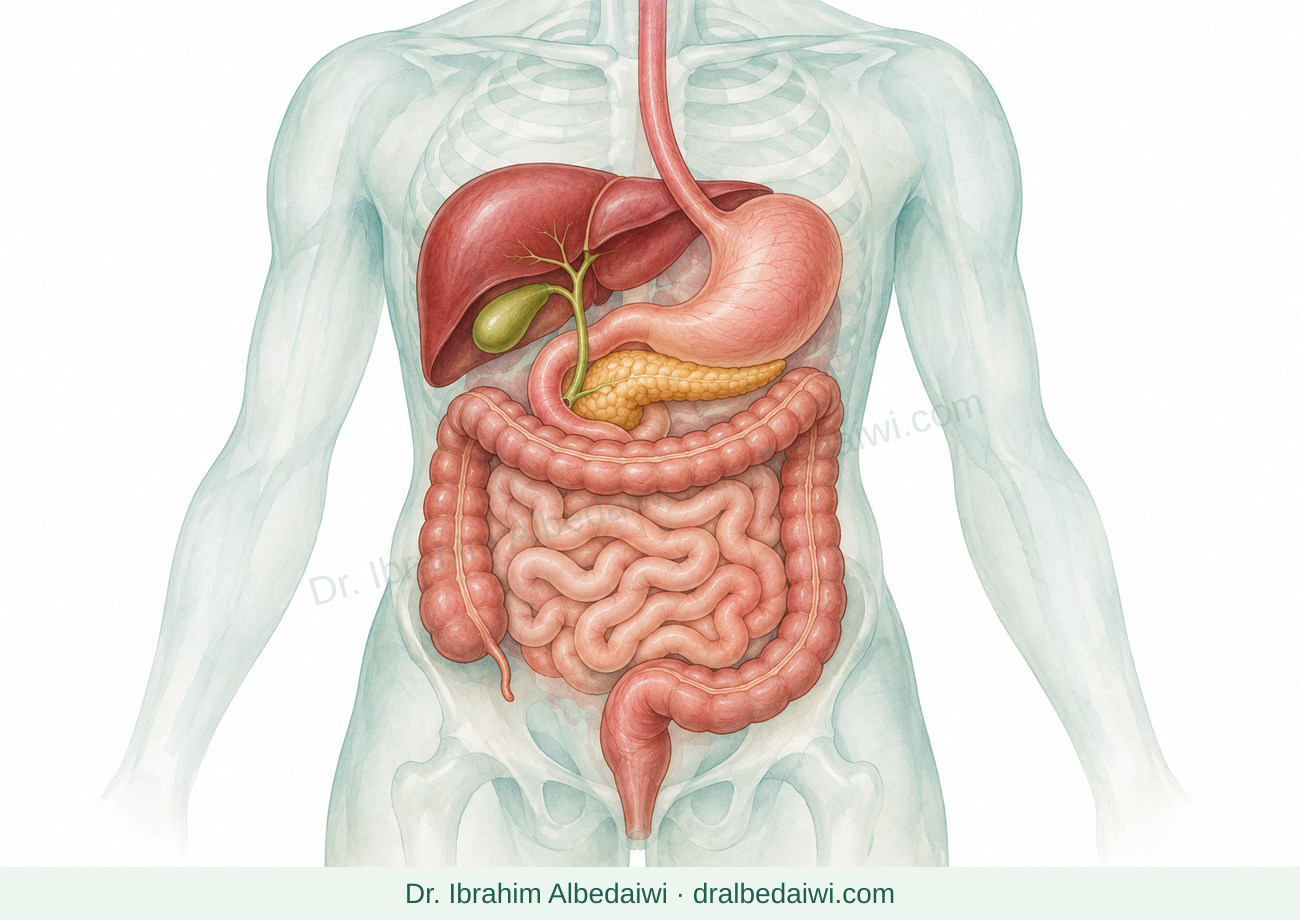
Spironolactone, also sold as Aldactone, helps remove excess salt and water while retaining potassium. It treats ascites, meaning fluid in the abdomen, and may be prescribed alone or with furosemide.
Your next step
Check your written prescription and monitoring plan. If anything is unclear, ask your care team before changing a dose.
Get urgent help: Seek emergency care for fainting, palpitations with severe weakness, new confusion, severe breathlessness, or sudden tongue or throat swelling. Fever or new abdominal pain in someone with ascites needs urgent assessment; do not wait for both.
How do I use it?
- Take your prescribed dose with or just after food, at a consistent time, usually in the morning. Do not start or increase it because swelling worsens: its effect takes several days, and safe dosing depends on blood tests, weight and blood pressure.
- Take a missed dose when remembered unless the next dose is nearly due; then skip it. Never double up. Follow your product leaflet and ask your pharmacist if the timing is unclear.
How do I store it?
- Keep it in its original packaging, away from moisture, heat and children, at the labelled temperature. Ask about storage, measuring and expiry after opening for liquid products.
What tests do I need?
- Kidney function, sodium and potassium are checked before treatment, after starting or changing the dose, and regularly thereafter. Record your weight each morning after passing urine and before breakfast, consistently. Check blood pressure if requested. Your team sets the weight-loss target and when to report changes; do not adjust doses automatically.
Possible side effects: what to expect
- Nausea, dizziness, cramps or breast tenderness/enlargement can occur. Stand up slowly and mention troublesome symptoms; the team can review treatment while continuing to manage the fluid buildup.
- Important risks include high potassium, dehydration and worsening kidney function, sometimes without early symptoms. Planned blood tests, weight and blood-pressure checks help your team adjust treatment. Follow the contact advice below rather than changing the dose yourself.
Important points
- Potassium can rise to levels that affect the heart rhythm. Avoid potassium supplements and potassium-containing salt substitutes unless prescribed. Have other medicines checked, especially ibuprofen, diclofenac, certain blood-pressure medicines and trimethoprim/sulfamethoxazole. Do not automatically exclude all fruit and vegetables; dietary advice depends on your results.
- Discuss pregnancy or breastfeeding with your team. Do not restrict or increase fluids to compensate for urination without a plan; follow your ascites salt advice.
My prescribed plan - complete with the team
Brand: ........................ | Dose and how I take or use the medicine: ........................
Next dose: ........................ | Next blood tests: ........................
Team contact: ........................
Brand: ........................ | Dose and how I take or use the medicine: ........................
Next dose: ........................ | Next blood tests: ........................
Team contact: ........................
When to get help
Seek emergency care for fainting, palpitations with severe weakness, new confusion, severe breathlessness, or sudden tongue or throat swelling. Fever or new abdominal pain in someone with ascites needs urgent assessment; do not wait for both.
Contact your team the same day for reduced urine, persistent vomiting or diarrhoea, worsening dizziness, or rapid weight change. The team may need to adjust or temporarily withhold treatment.