


Pancreatic cancer
Content date: 10 November 2026
The plan depends on the tumor type, extent, whether it can be removed and your overall health. Diagnosis does not automatically mean treatment is impossible; ask what each step aims to achieve.
Your next step
Ask about the tumor type, stage, treatment goal, digestive enzymes and nutrition support.
Get urgent help: Jaundice with fever or chills, vomiting that prevents drinking, sudden severe pain, bleeding or sudden breathlessness need urgent assessment. During cancer treatment, follow the team’s emergency fever instructions without waiting for an appointment. During chemotherapy, a temperature of 38°C or higher requires immediate contact with the oncology team or emergency care; do not wait for a message reply.
Understanding the disease
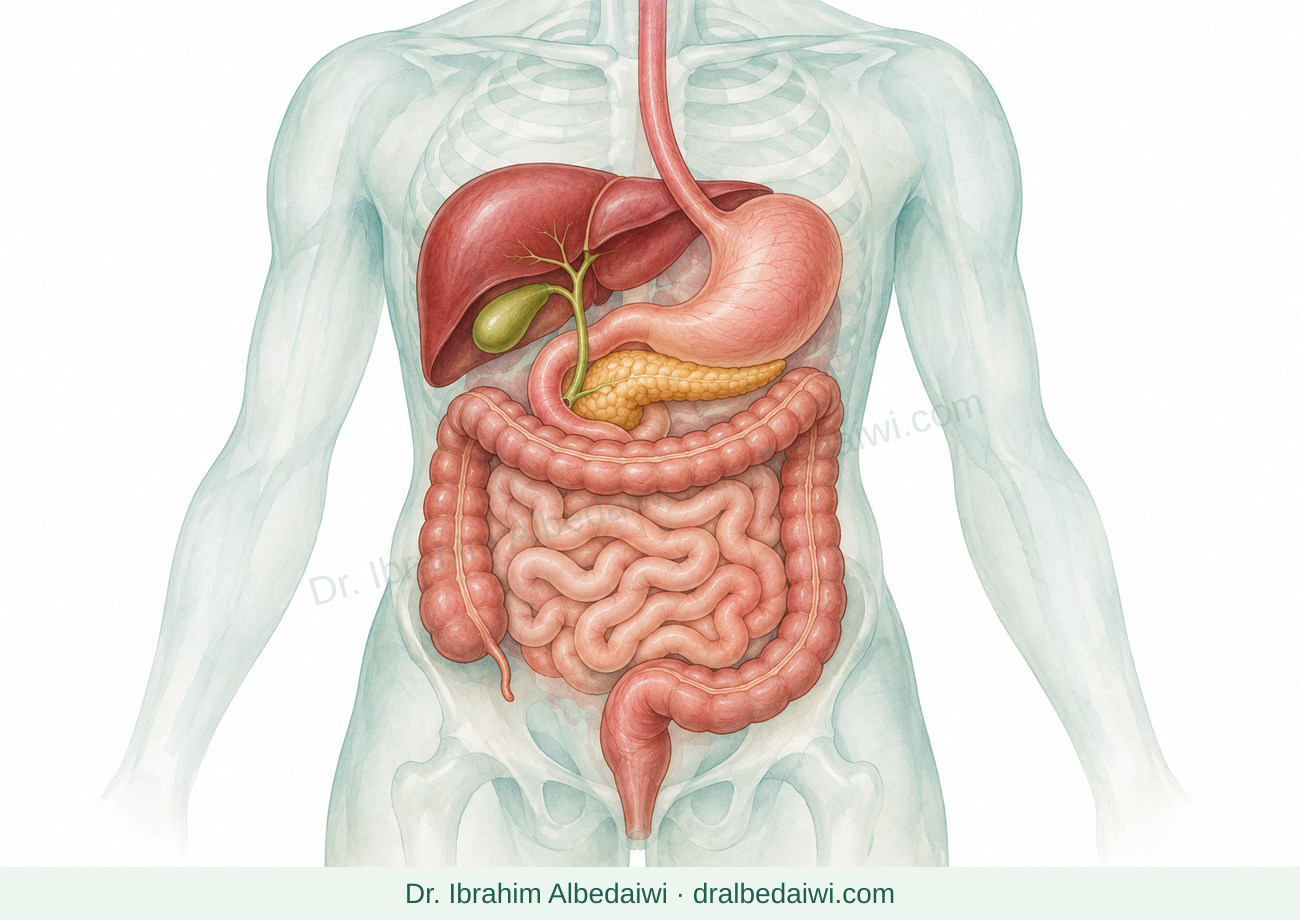
- The pancreas lies behind the stomach. It makes digestive enzymes and hormones that regulate blood glucose. Pancreatic cancer is uncontrolled cell growth; this guide mainly concerns adenocarcinoma, which usually starts in pancreatic ducts.
- Other tumors, including neuroendocrine tumors, behave differently and need different treatment. A pancreatic cyst or pancreatitis alone does not mean cancer. Imaging and tissue findings help identify the problem; symptoms alone cannot establish the diagnosis.
Symptoms worth checking
- Possible symptoms include persistent upper abdominal or back pain, unintentional weight loss, reduced appetite, or jaundice with dark urine and pale stools. Blood glucose may change. These symptoms have many causes; most diabetes is not caused by pancreatic cancer.
- Explain when symptoms began and how they changed. New jaundice needs prompt assessment even without pain.
Diagnosis and staging
- Tests may include a pancreas-specific CT scan, MRI or endoscopic ultrasound, sometimes with a biopsy. A biopsy is a small tissue sample examined to identify the cells. The team decides when it is needed; not everyone requires the same tests.
- Staging assesses nearby blood vessels, lymph nodes and other organs. CA 19-9 may help monitor treatment, but cannot confirm or exclude cancer alone and is not a standalone screening test for healthy people.
- Ask about inherited genetic testing and tumor testing. These can influence treatment and advice for relatives, even without a family history.
Choosing treatment together
- Specialists in oncology, surgery, gastroenterology and imaging review the case. Options may include surgery with medicines before or afterwards, or medicines and sometimes radiotherapy when removal is unsuitable. Targeted treatments or immunotherapy help selected tumors based on testing.
- Treatment may aim for cure in selected cases, or for disease control and symptom relief. Discuss expected benefits, side effects, a second opinion and suitable clinical trials.
Nutrition and symptom support
- Report eating difficulties, greasy stools or weight loss early. You may need a dietitian, pancreatic enzymes with food and glucose monitoring. Small frequent meals with enough protein and calories may help; avoid restrictive diets.
- Pain and nausea can be treated. Bile duct blockage may need drainage or a stent; keep its follow-up plan. Psychological support and symptom relief can start alongside cancer treatment.
Keep a written plan
- Bring the pathology report, scan images and medicine and supplement list. Record result appointments and an out-of-hours contact number. Check before using herbs or changing prescribed treatment.
When to get help
Jaundice with fever or chills, vomiting that prevents drinking, sudden severe pain, bleeding or sudden breathlessness need urgent assessment. During cancer treatment, follow the team’s emergency fever instructions without waiting for an appointment. During chemotherapy, a temperature of 38°C or higher requires immediate contact with the oncology team or emergency care; do not wait for a message reply.
New jaundice, continued weight loss, uncontrolled pain or difficulty eating: contact the team promptly.
Related guides
Pancreatitis and pancreatic enzyme insufficiency
Gallbladder and bile duct stones
Herbs, mixtures and supplements: benefits and risks