


Pancreatitis and pancreatic enzyme insufficiency
Content date: 10 November 2026
Pancreatitis can be acute or chronic. Some conditions reduce digestive enzyme production and cause malabsorption; understanding the cause, nutrition and treatment plan supports recovery and follow-up.
Your next step
Write down the cause of your attack and its treatment plan. Do not miss gallbladder treatment if gallstones were the cause.
Get urgent help: Severe upper abdominal pain spreading to the back, particularly with vomiting or fever; or jaundice, breathlessness, fainting or deterioration after discharge.
What does the pancreas do?
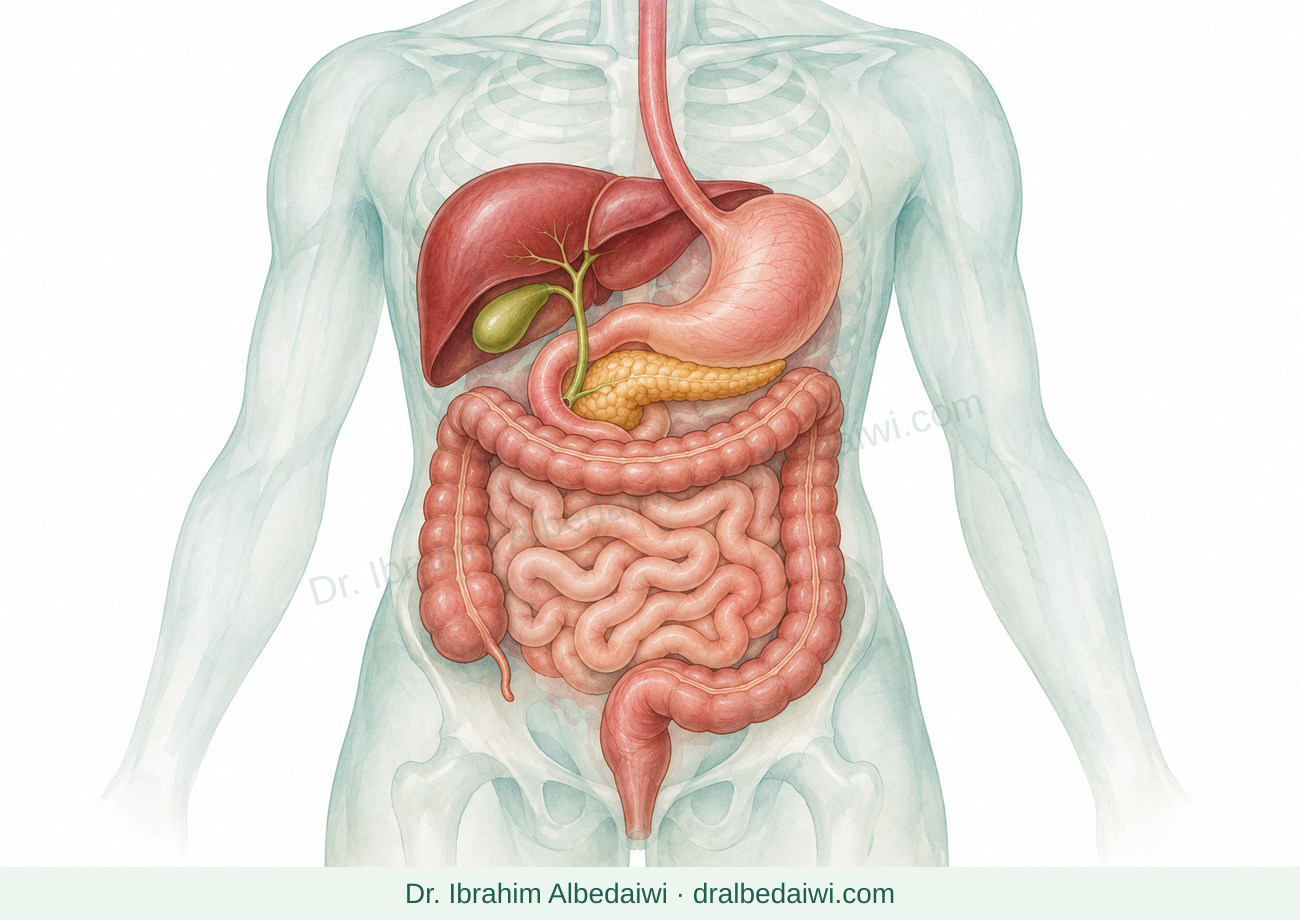
- The pancreas is a gland behind the stomach with two important jobs: making enzymes that help the bowel digest food, and hormones such as insulin that regulate glucose. Pancreatitis occurs when the gland is injured and inflammation develops inside it; digestive enzymes can contribute to the damage.
- Acute pancreatitis begins suddenly, usually with strong upper abdominal pain that may spread to the back, with nausea or vomiting. Many cases improve with treatment, but some require a prolonged hospital stay because of complications. Chronic pancreatitis involves continuing damage and scarring that may reduce enzyme or insulin production, causing poor digestion or diabetes.
Understanding the type and cause
- Diagnosis combines symptoms, examination and tests such as lipase, with imaging when needed. Gallbladder imaging, triglyceride testing and a review of medicines and medical history help identify the cause. A single abnormal test is not interpreted in isolation, and not everyone needs the same scan or procedure.
- During an acute attack, treatment supports the body, relieves pain, monitors organ function and addresses the cause. Afterwards, the aim is to prevent recurrence. In chronic disease, nutrition, stool, weight and glucose are monitored; enzymes with meals or diabetes and pain treatment may be needed. Disappearance of pain does not always mean pancreatic function has returned to normal, so follow-up is individualized.
Acute or chronic?
- Acute pancreatitis is a sudden attack that can be mild or severe. Chronic pancreatitis causes ongoing damage and may lead to poor food digestion or diabetes.
- Gallstones, alcohol, high triglycerides and some medicines can cause pancreatitis; other causes also exist.
During an acute attack
- Hospital care may be needed for fluids, pain relief and monitoring complications. Antibiotics are not required for every attack, only for infection or another specific medical reason.
- In mild cases, food is restarted early as tolerated according to the team’s plan. Do not impose prolonged fasting on yourself after discharge.
- Gallstones may require gallbladder treatment and sometimes ERCP if there is bile duct obstruction or infection. Not every episode of pancreatitis needs ERCP.
After discharge
- Understand the likely cause and treatment plan, including scan or surgery appointments if needed. Some collections around the pancreas are monitored; others require intervention.
- Bring your medicine list. Do not stop or restart a suspected medicine without agreeing this with your doctor.
When should enzyme insufficiency be suspected?
- It can follow chronic or severe pancreatitis, pancreatic surgery or other pancreatic and digestive conditions. Signs include oily stools that are difficult to flush, diarrhea, bloating, weight loss and vitamin deficiencies. Floating stool alone does not establish the diagnosis.
Checking the cause
- Assessment reviews nutrition, weight, symptoms, illnesses and operations. Fecal elastase may be measured using a solid or semisolid stool sample. A watery sample may produce a misleading low result requiring repeat testing or interpretation alongside other findings.
- Blood tests may assess deficiencies and imaging may investigate pancreatic disease. Imaging alone does not measure digestive function, and improvement with an enzyme trial alone does not confirm the diagnosis. Testing depends on your individual likelihood of disease.
Taking pancreatic enzymes
- Prescribed enzymes are taken during meals and nourishing snacks so they mix with food. Do not take the whole day’s dose together or rely on taking them well away from food. Dose depends on meals, response and the product prescribed.
- Do not chew or crush the granules. If swallowing capsules is difficult, ask the pharmacist whether and how your specific product can be opened. General digestive-enzyme supplements are not substitutes for prescribed treatment; do not change the dose randomly.
Food and vitamins
- Avoid imposing a severely fat-restricted diet yourself; this can worsen calorie intake and weight loss. A dietitian can help maintain adequate energy and protein and spread meals, with enzymes matched to food and the clinical plan.
- Fat-soluble vitamins A, D, E and K and bone health may need assessment, with suitable replacement for deficiencies. Avoid unsupervised high-dose vitamins and review glucose management if you have diabetes.
Checking whether treatment works
- Follow-up considers weight, muscle, stool, food intake and blood tests rather than diarrhea frequency alone. Persistent problems prompt a review of enzyme timing, dose and adherence and investigation of other causes before changing treatment.
Reducing repeat attacks
- Avoid alcohol and stop smoking. Manage triglycerides and diabetes according to the plan.
- If gallstones caused a mild attack, gallbladder removal is usually recommended during the same admission, before discharge, if your condition allows. Severe attacks or collections around the pancreas may require delaying surgery according to the team’s assessment. Monitor weight, glucose and new symptoms.
- New persistent pain or weight loss needs review; do not assume it is simply an old effect of pancreatitis.
When to get help
Severe upper abdominal pain spreading to the back, particularly with vomiting or fever; or jaundice, breathlessness, fainting or deterioration after discharge.
Repeated greasy stool, weight loss, recurring pain or new glucose fluctuations.
Related guides
Gallbladder and bile duct stones
Bile duct stones and obstructive jaundice