


Gastrointestinal bleeding
Content date: 10 November 2026
Bleeding may be obvious or hidden. The priorities are assessing its severity, finding the cause and preventing further bleeding.
Your next step
Go to the emergency department now for vomiting blood, black tarry stool or heavy bleeding, especially with dizziness or weakness. Do not wait for a message reply or delay care for a home test.
Get urgent help: Go to the emergency department now for vomiting blood or coffee-ground material, black tarry stool, heavy or continuing bleeding, or bleeding with faintness, confusion, severe pain, chest pain or breathlessness. Do not wait for a message reply. If weak or dizzy, do not drive; call an ambulance.
Where does bleeding come from?
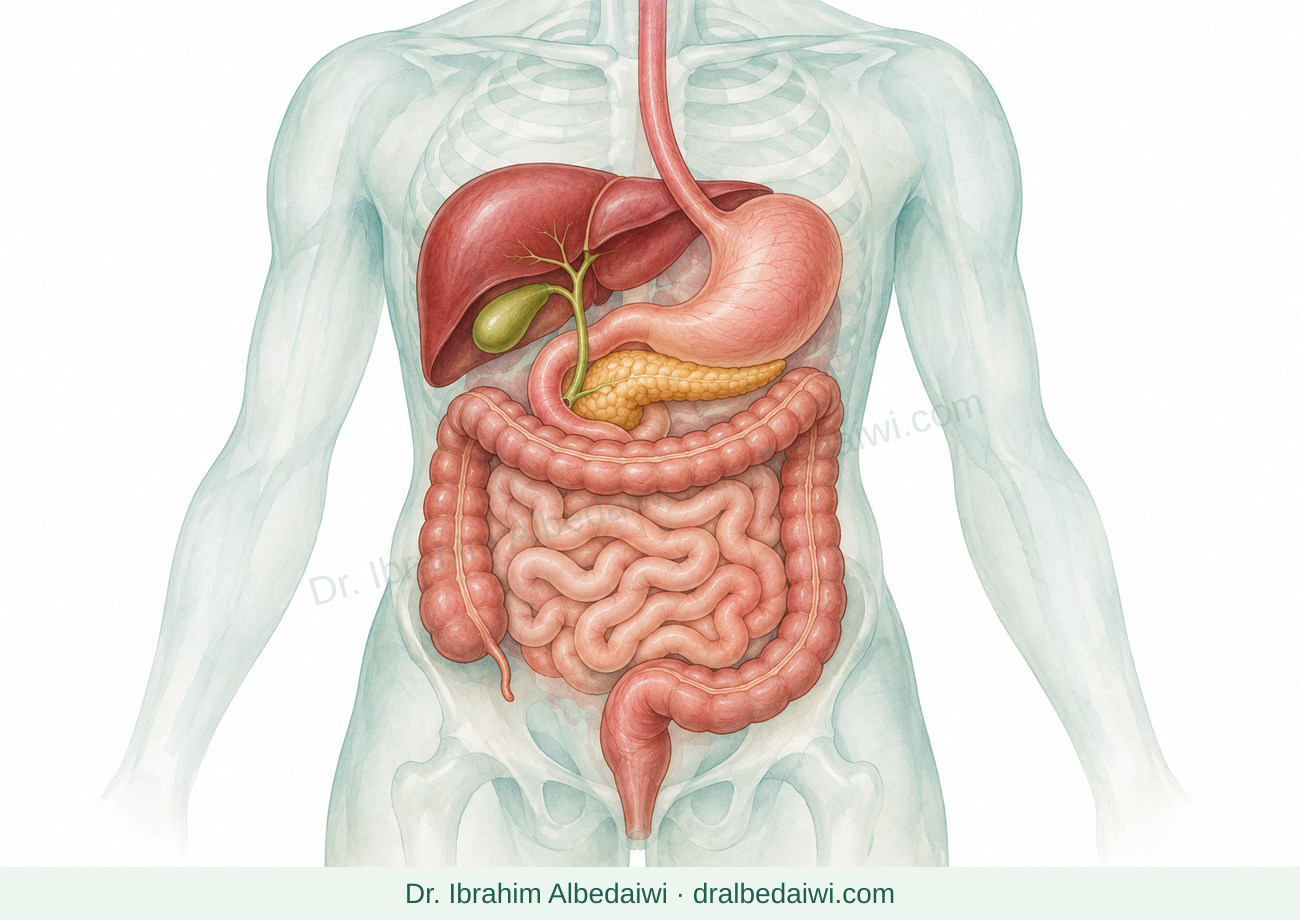
- Upper gastrointestinal (GI) bleeding comes from the oesophagus, stomach or duodenum. Lower bleeding comes from the colon, rectum or anus. The small intestine can also bleed. GI bleeding is a sign of an underlying problem, not a diagnosis by itself.
What might I notice?
- Vomit may contain red blood or material resembling coffee grounds. Stool may be black, sticky and tar-like, or contain red or maroon blood. Colour alone cannot locate the source. Slow, hidden bleeding can cause iron-deficiency anaemia, with tiredness, pallor or breathlessness, even without visible blood. Anaemia can also have causes unrelated to GI bleeding.
What can cause bleeding?
- Causes include ulcers, inflammation, a tear after forceful vomiting, or enlarged veins associated with advanced liver disease. Other causes include diverticula (small pouches in the bowel wall), fragile blood vessels, bowel inflammation, haemorrhoids, anal fissures, polyps or cancer. Blood does not automatically mean cancer, and should not automatically be blamed on haemorrhoids.
What happens at hospital?
- The team checks your circulation and takes blood tests to assess blood loss and clotting. You may need an intravenous line, fluids or blood. Tell staff about previous bleeding, ulcers, liver disease and every medicine you take. Stabilising your condition comes before choosing the next test.
- Upper endoscopy, colonoscopy or a CT angiogram may identify the source. Tests and timing depend on your stability and the suspected site; major ongoing bleeding may need CT angiography first. Endoscopy can also stop bleeding using clips, heat or other treatments. Some patients need a radiology procedure to block a bleeding vessel, or surgery if other treatment fails.
Medicines need an individual plan
- Anti-inflammatory painkillers such as ibuprofen or naproxen can cause bleeding. Aspirin and anticoagulants may increase bleeding risk. Tell the emergency team their names and when you last took them. Do not delay care while seeking medicine advice, or independently stop, restart or change prescribed blood-thinning treatment.
After the bleeding is controlled
- Keep follow-up appointments even if the bleeding stops. Ask about the cause, test results, repeat blood tests and any further endoscopy. Follow the prescribed treatment and iron plan if needed. If an ulcer is found, ask about H. pylori testing and treatment, and a later test to confirm clearance. Get written instructions for your medicines and for returning if bleeding recurs.
When to get help
Go to the emergency department now for vomiting blood or coffee-ground material, black tarry stool, heavy or continuing bleeding, or bleeding with faintness, confusion, severe pain, chest pain or breathlessness. Do not wait for a message reply. If weak or dizzy, do not drive; call an ambulance.
Small or intermittent amounts of red blood, unexplained anaemia or persistent tiredness need prompt clinical assessment. Do not wait for bleeding to become heavy; any emergency sign above takes priority.
Related guides
Acid medicines: proton pump inhibitors (PPIs)