

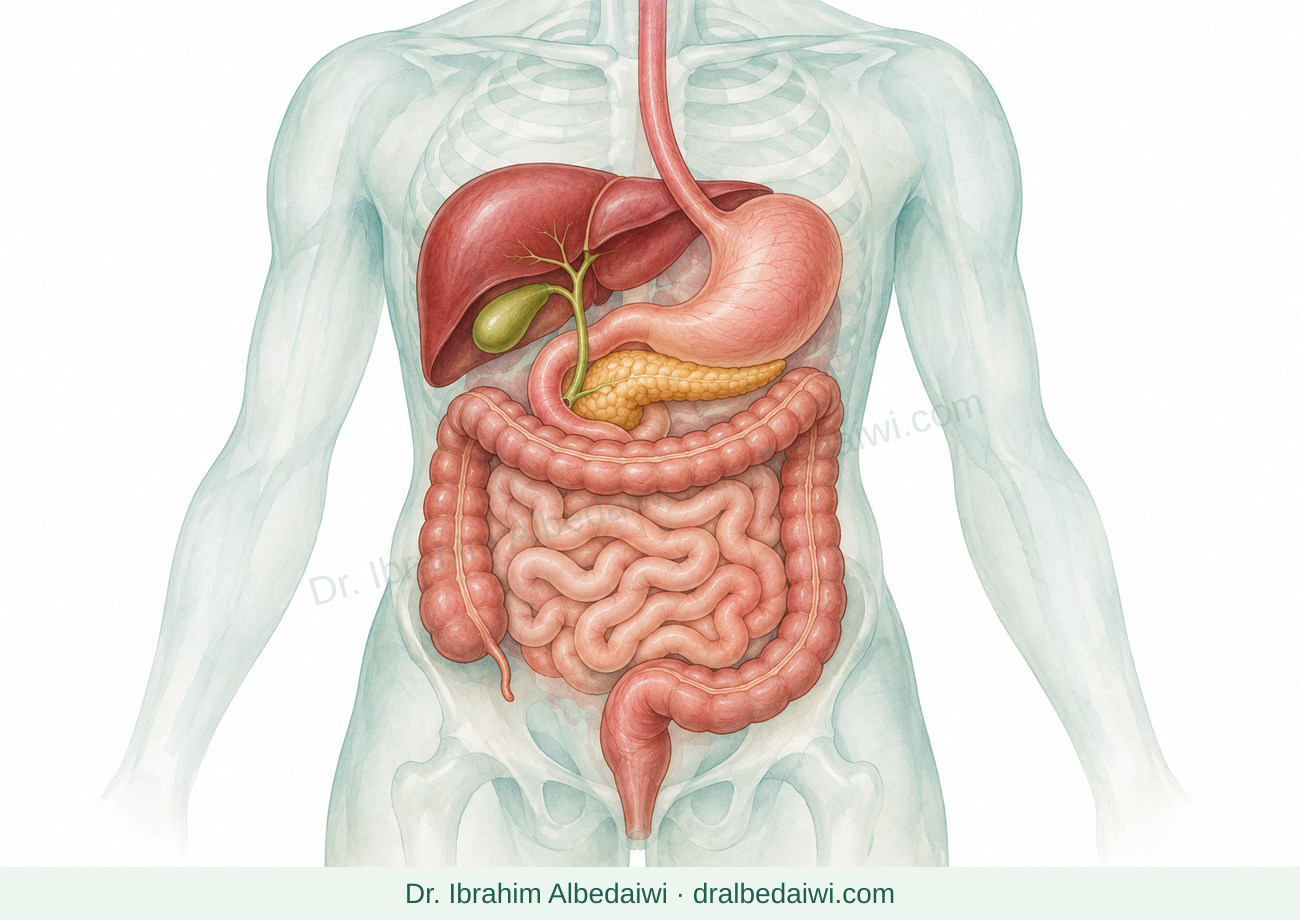

Nutrition with Crohn’s disease and ulcerative colitis
Content date: 10 November 2026
There is no single list of forbidden foods for everyone with inflammatory bowel disease. Food supports recovery, but does not replace treatment for inflammation or follow-up tests.
| Your current situation | What often helps | When is an individual plan needed? |
|---|---|---|
| Remission without a stricture | A varied diet: protein, vegetables, fruit and starchy foods as tolerated | Do not automatically avoid fiber, milk or gluten. |
| A flare with diarrhea or poor appetite | Small meals, foods that are easier to tolerate and suitable fluids | Contact the team to treat the flare and check for infection if needed. |
| A known stricture without acute blockage symptoms | A soft diet low in coarse fiber may be needed under your team’s plan | Pain and bloating with vomiting or inability to pass gas need emergency care; do not rely on changing food. |
| Weight loss or malnutrition | Enough protein and energy; nutritional supplements may be prescribed | You need assessment, not further food restrictions. |
| Milk makes symptoms worse | Try lactose-free products while maintaining calcium intake | Lactose intolerance does not mean you must avoid all dairy. |
During remission, without a stricture that limits eating, a Mediterranean-style diet is often recommended for general health: varied foods, olive oil, enough protein and fewer highly processed foods. Texture and portions are adjusted to your situation. No single eating pattern guarantees prevention of every flare.
Flexible examples using everyday foods
A portion of rice you tolerate with tender chicken or fish, mashed potatoes with eggs, or a yogurt drink that suits you. Add cooked or peeled vegetables when needed, then expand your choices after the flare improves. With a stricture, food types and amounts need an individual plan.
Your weight, food intake, ability to drink and number of bowel movements. Agree a plan with your team to monitor iron and vitamin D deficiency. Vitamin B12 testing is especially important with extensive disease or previous surgery involving the end of the small bowel. Your team sets the schedule; do not start high doses yourself.
Liquid nutrition or exclusion diets may help selected people with Crohn’s disease, but require a nutritional plan and monitoring. Do not replace prescribed treatment with them yourself.
Guides for your care journey
Read the related guides together: