

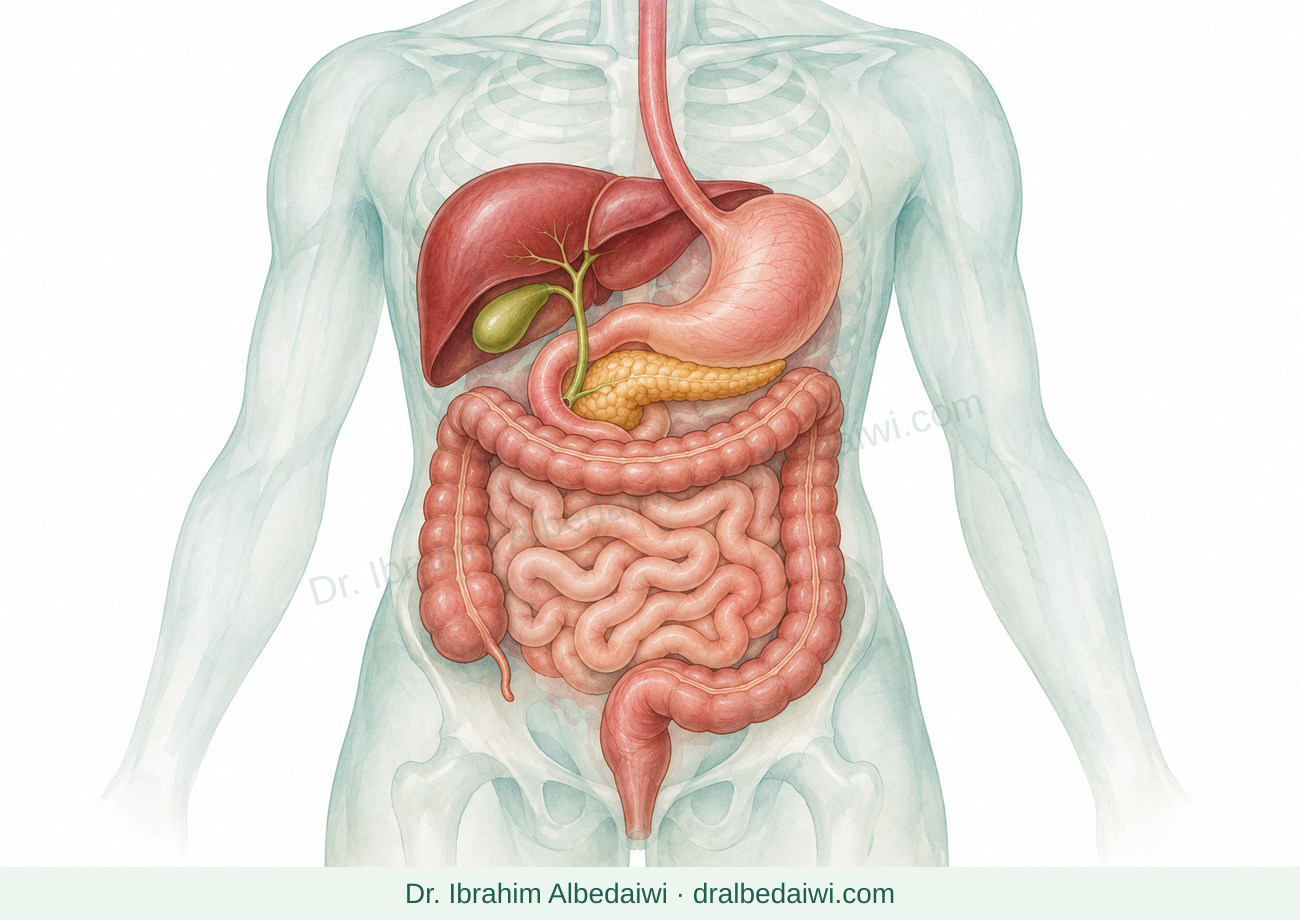

Ribavirin for hepatitis C
Content date: 11 November 2026
Ribavirin is added to selected hepatitis C regimens; it does not treat HCV effectively alone. Pregnancy prevention and monitoring for anaemia are essential.
Your next step
Check your written prescription and monitoring plan. If anything is unclear, ask your care team before changing a dose.
Get urgent help: Get urgent help for chest pain, severe breathlessness or fainting. Tell the team immediately about pregnancy in you or your partner during the risk period.
How to use
- Tablets or capsules commonly contain 200 mg. Your specialist selects the dose using weight, kidney function, haemoglobin and the accompanying regimen; do not calculate it yourself. It is usually divided into two doses with food. Do not break/crush tablets or open capsules. For a missed dose, follow your product leaflet and never double.
Storage
- Follow the temperature on your pack; storage requirements differ between ribavirin products. Keep away from children and heat, and ask the pharmacist about damaged packs.
Tests and follow-up
- Check blood count/haemoglobin and kidney function before treatment and early during it, often at weeks two and four, then as needed. Pregnancy testing is required before starting and regularly during and after treatment according to the product-specific plan.
Possible side effects: what to expect
- Not everyone gets side effects. Nausea, itching, rash or tiredness may occur. Take it with food as prescribed and report troublesome symptoms; increasing fatigue or palpitations may indicate anaemia and need assessment.
- Anaemia from red-cell breakdown is an important effect that may require clinician-directed dose adjustment, so blood counts are checked early. It can worsen heart disease. Serious harm to an unborn baby makes the contraception plan essential; your team balances these risks against the expected benefit.
Important
- Do not start if you or your partner are pregnant; contact your team first. It can seriously harm an unborn baby. Agree a written contraception/testing plan before starting: some current labels require prevention for nine months after the last dose for treated women and six months for female partners of treated men; other products differ, so do not assume one universal interval. Disclose heart/blood disorders and review didanosine, azathioprine, HIV medicines and breastfeeding.
My prescribed plan - complete with the team
Brand / device: ........................ | Dose and how I take or use the medicine: ........................
Next dose: ........................ | Next blood tests: ........................
Team contact: ........................
Brand / device: ........................ | Dose and how I take or use the medicine: ........................
Next dose: ........................ | Next blood tests: ........................
Team contact: ........................
When to get help
Get urgent help for chest pain, severe breathlessness or fainting. Tell the team immediately about pregnancy in you or your partner during the risk period.
Report palpitations, pallor, increasing fatigue, rash or difficulty following the contraception plan promptly.
Related guides
Sofosbuvir/velpatasvir for hepatitis C