

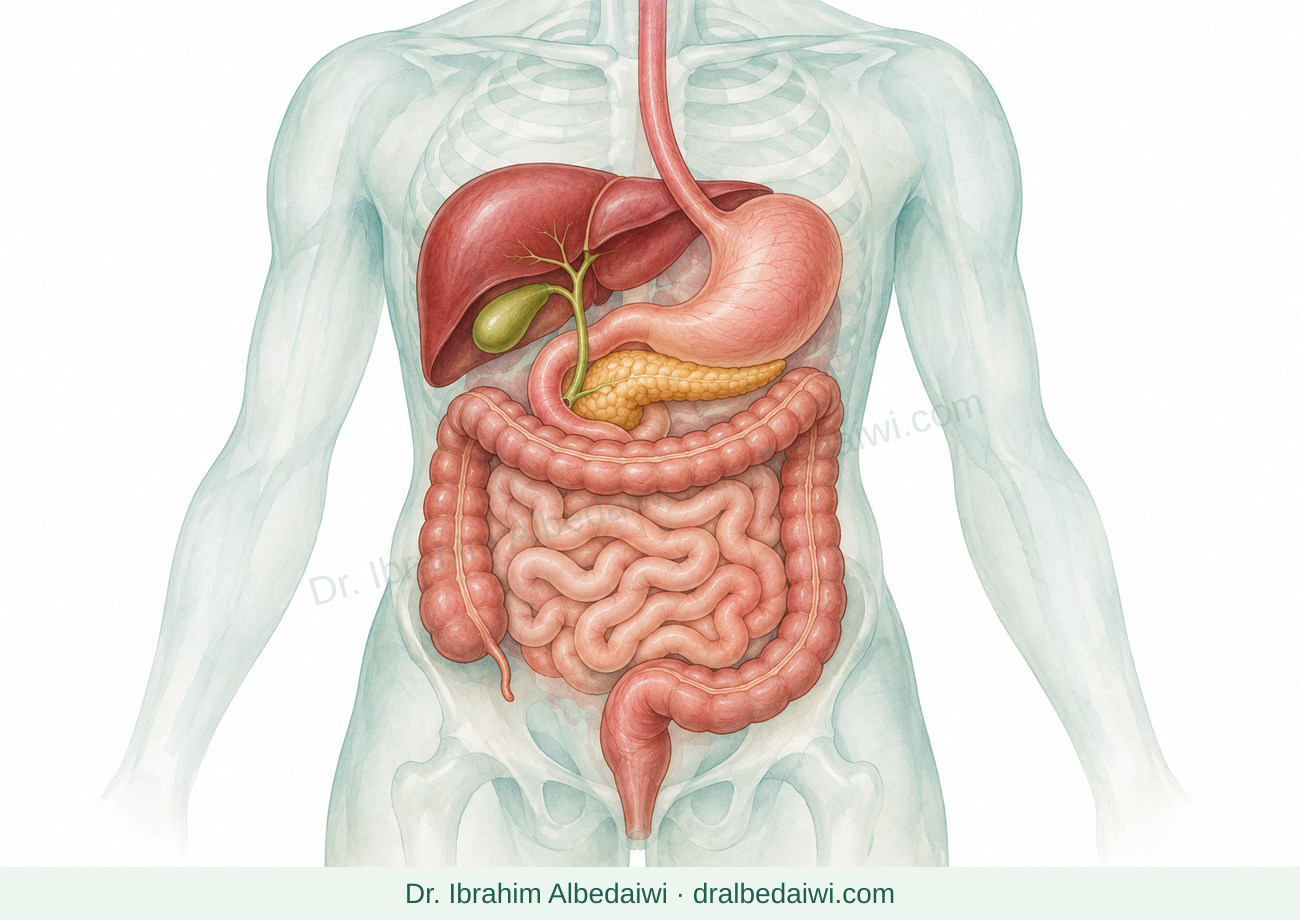

Low-dose amitriptyline for IBS
Content date: 11 November 2026
Low-dose amitriptyline can reduce gut pain and overall IBS symptoms, especially when diarrhoea predominates. This is an off-label use: IBS is not among the approved uses of the local product. Your doctor may prescribe it for gut pain even if you do not have depression.
Your next step
Check your written prescription and monitoring plan. If anything is unclear, ask your care team before changing a dose.
Get urgent help: Seek urgent help for fainting, severe or persistent palpitations, severe chest pain, inability to urinate, thoughts of harming yourself, or taking more than prescribed.
How do I use it?
- For adults, your clinician may start 5–10 mg once nightly, with or without food, and adjust gradually; IBS doses usually do not exceed 30 mg. Check before splitting tablets. Benefit takes several weeks. Do not stop suddenly or double a missed dose.
How do I store it?
- Keep tablets in their original packaging, away from children. Follow the temperature limit on your own pack.
What tests do I need?
- Review benefit and side effects after about four weeks. Your clinician may request an ECG or blood salts if heart history, symptoms or interacting medicines increase risk.
Possible side effects: what to expect
- Not everyone gets side effects. Sleepiness, dry mouth, constipation or dizziness on standing may occur. Avoid driving if affected, rise slowly and discuss persistent symptoms.
- Heart rhythm problems, urinary retention or mood changes can occur; risk depends on health, dose and interacting medicines. Selected patients need an ECG. Fainting, severe palpitations or inability to urinate requires urgent help; do not increase doses yourself.
Important points
- Sleepiness, dry mouth and constipation can occur. Avoid driving if sleepy or dizzy. Tell your clinician about heart disease, glaucoma, difficulty urinating, seizures, pregnancy or breastfeeding. Check all medicines, especially other antidepressants, sedatives and medicines affecting heart rhythm. Do not increase the dose yourself.
Brand / device: ........................ | Dose and how I take or use the medicine: ........................
Next dose: ........................ | Next blood tests: ........................
Team contact: ........................
When to get help
Seek urgent help for fainting, severe or persistent palpitations, severe chest pain, inability to urinate, thoughts of harming yourself, or taking more than prescribed.
Contact your team for troublesome constipation, persistent daytime sleepiness, mood changes or no meaningful improvement in symptoms after the agreed trial period.