


Carvedilol for portal hypertension
Content date: 11 November 2026
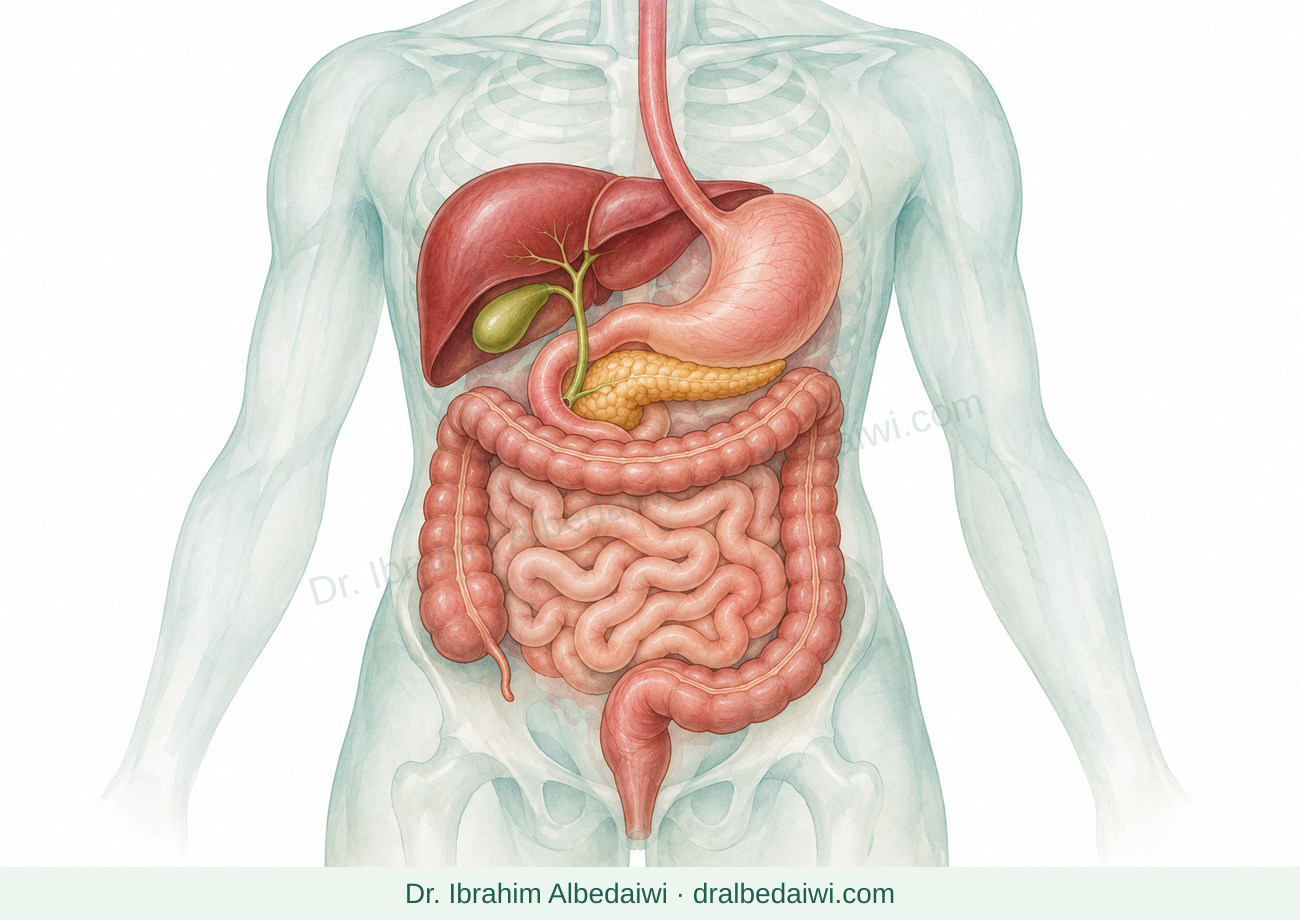
Carvedilol is a non-selective beta-blocker. Liver specialists may prescribe it to lower pressure in the portal vein, which carries blood from the gut to the liver, and reduce variceal bleeding or other cirrhosis complications in selected patients. Not everyone with cirrhosis needs it.
Your next step
Check your written prescription and monitoring plan. If anything is unclear, ask your care team before changing a dose.
Get urgent help: Seek emergency care for fainting, severe breathlessness or wheezing, chest pain, vomiting blood or black stools, or sudden tongue or throat swelling. Do not wait for a message reply.
How do I use it?
- Take the prescribed dose with food, at consistent times. A portal-hypertension plan may differ from a heart-treatment plan. Do not copy someone else’s dose or adjust yours from one blood-pressure reading.
- Take a missed dose when remembered unless the next is nearly due; then skip it without doubling. Do not stop suddenly yourself or restart your old dose after a prolonged interruption without consulting your team.
How do I store it?
- Keep it in its original packaging, away from moisture, heat and children, following the label. Ask before splitting tablets; not every formulation can be divided.
What tests do I need?
- Blood pressure, pulse and symptoms are monitored. Kidney function and blood salts are reviewed, particularly with ascites or diuretics. Diabetes may require closer glucose monitoring because carvedilol can mask some low-glucose warning signs. There is no single reading everyone should use to adjust their own dose.
Possible side effects: what to expect
- Dizziness, headache or tiredness can occur, especially at the start; these are often mild. Rise slowly, take it with food as prescribed, and avoid driving if dizzy.
- Too-low blood pressure or a slow heartbeat can require a dose review. Breathing difficulty or wheezing is important, especially with asthma. Pulse, blood pressure and kidney checks help select a tolerated dose. Follow the warning signs below; do not adjust or stop treatment on your own.
Important points
- Tell your doctor about asthma, a very slow pulse, heart-conduction problems, pregnancy or pregnancy plans.
- Have all medicines checked, especially other drugs that slow the heart or lower blood pressure. Infection with low blood pressure, dehydration or kidney deterioration may require urgent clinician-led dose reduction or temporary withholding. Infection alone does not mean automatically stopping treatment; feeling better does not mean treatment is no longer needed.
Brand: ........................ | Dose and how I take or use the medicine: ........................
Next dose: ........................ | Next blood tests: ........................
Team contact: ........................
When to get help
Seek emergency care for fainting, severe breathlessness or wheezing, chest pain, vomiting blood or black stools, or sudden tongue or throat swelling. Do not wait for a message reply.
Contact your team the same day for persistent dizziness, a slow pulse with fatigue, blood pressure much lower than usual, reduced urine, or vomiting, diarrhoea or fever affecting intake. The team decides what to do about the next dose.
Related guides
Portal hypertension and esophageal or gastric varices