


Celiac disease
Content date: 14 November 2026
After celiac disease is confirmed, treatment is a lifelong gluten-free diet: avoid regular bread and pasta and choose gluten-free alternatives. Repeated small amounts may damage the bowel even without symptoms. Do not start the diet before diagnostic testing unless your doctor advises it.
Your next step
Review the ingredients and preparation utensils for one meal, and confirm your dietitian appointment.
Get urgent help: Severe dehydration or fainting, vomiting that prevents drinking, severe persistent pain, or gastrointestinal bleeding.

Understanding the condition: what does gluten do?
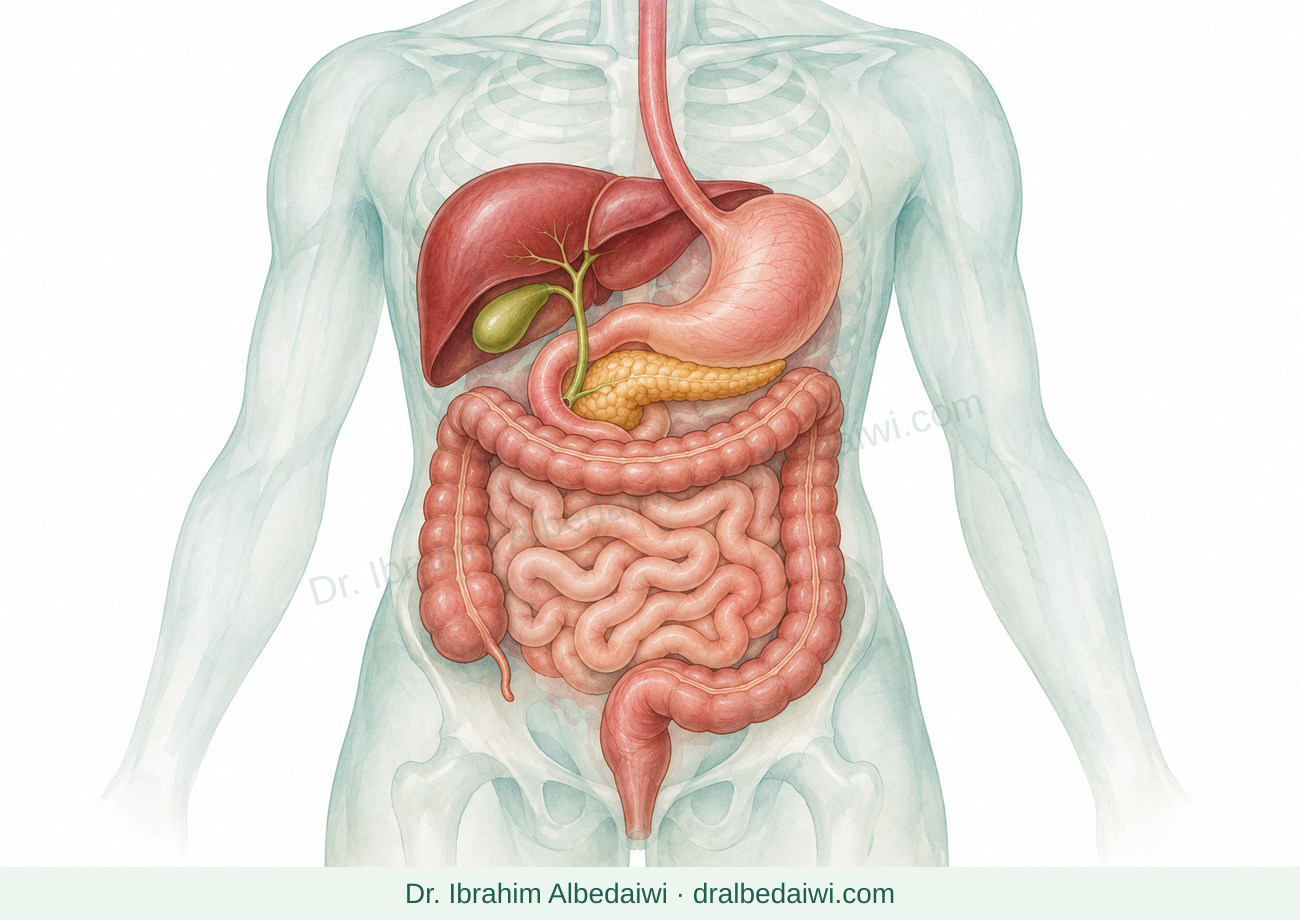
- Celiac disease is a chronic immune condition in genetically susceptible people. When gluten—a protein in wheat, barley and rye—is eaten, the immune system reacts in a way that damages the small-intestinal lining. The small intestine absorbs many nutrients and is covered with tiny projections called villi that increase its absorption area.
- Inflammation can flatten the villi and impair absorption, so the problem extends beyond abdominal pain. Iron deficiency, tiredness, weight loss or bone problems may occur, sometimes without obvious digestive symptoms. It can appear in childhood or after years of eating wheat without a noticeable problem.
Why confirm the diagnosis and follow the diet?
- Celiac disease differs from immediate wheat allergy, intolerance of certain food components and irritable bowel syndrome. Symptoms can overlap, but diagnosis and follow-up differ. Appropriate antibody tests and sometimes small-intestinal biopsies are used; coordinate testing before removing gluten to avoid misleading results.
- Once confirmed, a gluten-free diet is ongoing treatment that allows the lining to recover and protects against nutrient deficiencies. Food safety cannot be judged by pain alone; exposure and damage may occur without clear symptoms. Health usually improves with adherence, but symptoms and the lining recover at different speeds, so we monitor nutrition and blood tests and review hidden gluten sources.
Before starting the diet
- Do not stop gluten before completing testing unless your doctor advises it; blood tests and biopsies may otherwise become misleadingly negative.
- We usually start with celiac antibody testing and measure a type of antibody called IgA to help choose the right test. Endoscopy and small-intestinal biopsies may be needed; a specialist decides when blood tests alone are sufficient in selected cases. If you have already started the diet, do not reintroduce gluten yourself; discuss a diagnostic plan.
What can I eat?
- Rice, potatoes, corn, vegetables, fruit, eggs and meat without flour coatings are naturally gluten-free, but additives and preparation methods matter.
- Choose only oats labeled “gluten-free,” and discuss tolerance with your dietitian.
Examples from our table
- Jareesh, qursan, marqooq, wheat bread and semolina usually contain gluten. The rice in kabsa is suitable if spices, stock and additions are gluten-free.
- Watch for barley, malt and some sauces, soups and processed meats. Read ingredients with every purchase because formulations may change.
- Clean preparation utensils thoroughly and use a dedicated gluten-free toaster or protective toaster bags, avoid frying oil shared with gluten-containing food, and prevent bread crumbs from reaching your food. At restaurants, explain that avoiding gluten is a medical necessity.
Monitoring improvement
- See a dietitian and have antibody, iron and vitamin tests according to the plan. Some people need bone assessment or repeat biopsies.
- If symptoms persist, we review hidden gluten exposure and other causes; do not simply restrict more foods.
- First-degree relatives may need testing even without symptoms. Symptom improvement alone does not prove the bowel lining has healed.
Celiac disease: a gluten-free diet
Avoid regular bread and pasta. Choose gluten-free alternatives. After the diagnosis is confirmed, the diet must continue even when symptoms disappear.
Avoid gluten after diagnosis
Use reliably gluten-free foods and check wheat, barley, rye and hidden sources.
Prevent cross-contact
Use a separate toaster, clean preparation surfaces and check shared frying oil.
Choose safe alternatives
Naturally gluten-free starches
Rice, corn, potatoes and quinoa. Choose bread and pasta labeled “gluten-free”.
Simple, varied foods
Vegetables, fruit, legumes, eggs, fish and meat without flour coatings or sauces containing gluten.
Dairy and oats
Plain dairy as tolerated. Use oats only if labeled “gluten-free”, in consultation with your dietitian.
Avoid gluten
Grains that contain gluten
Wheat, barley and rye, including bulgur, semolina, freekeh and wheat-based jareesh.
Their usual products
Bread, pasta, biscuits and cakes, unless they are reliable gluten-free alternatives.
Hidden sources
Check for barley malt and check sauces, soups and marinades. Read the label every time.
Prevent cross-contact from crumbs
Clean surfaces and utensils. Use a separate toaster and avoid frying oil shared with flour-coated foods.
Ask at restaurants
Explain that you have celiac disease and ask about ingredients and preparation. “Wheat-free” does not always mean “gluten-free”.
Do not start the diet before completing celiac testing. Improvement in symptoms does not mean the disease has gone away; continue follow-up.
When to get help
Severe dehydration or fainting, vomiting that prevents drinking, severe persistent pain, or gastrointestinal bleeding.
Continued weight loss, anemia that does not improve, ongoing diarrhea despite following the diet, or difficulty maintaining balanced nutrition.
Guides for your care journey
Read the related guides together: