


Constipation, difficult evacuation and bowel leakage
Content date: 15 November 2026
Constipation, difficult evacuation and bowel leakage are different problems that can overlap. The symptom pattern and pelvic floor function guide treatment.
Your next step
Set a regular toilet time and a gradual plan for fiber and your prescribed laxative.
Get urgent help: Seek urgent care for severe pain with swelling, vomiting or inability to pass gas, heavy bleeding or fainting. Do not take extra laxatives if obstruction is suspected. New stool leakage with leg weakness, saddle numbness or inability to urinate needs emergency assessment.
Understanding the problem: more than infrequent stools
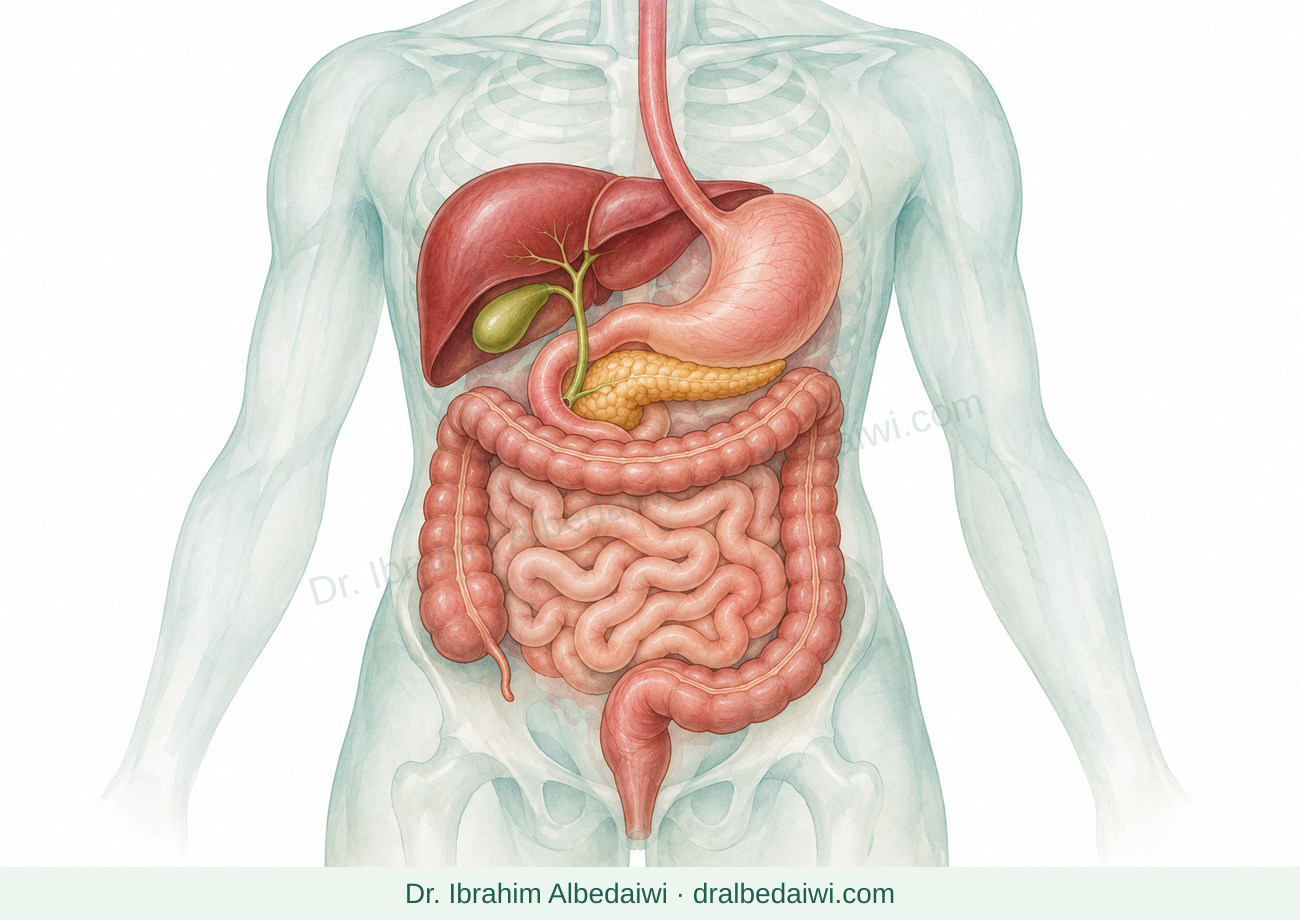
- The colon absorbs water from food waste and moves it towards the rectum. When stool moves slowly, it can become hard and dry. Alternatively, colon movement may be adequate but the pelvic and anal muscles may not relax together during emptying, causing a sense of blockage or incomplete emptying even with soft stool.
- Constipation therefore includes hard stools, straining or difficulty passing stool, or feeling stool remains, not just frequency. Normal varies between people; daily bowel movements are not necessary if stool is soft and passes comfortably. More than one mechanism may coexist, explaining different treatment responses.
How do we find the cause and choose treatment?
- Your doctor reviews when the problem began, stool form, medicines, habits and associated conditions. Some medicines, inactivity or routine changes may contribute, and conditions such as an underactive thyroid may be relevant depending on the context. Constipation does not automatically mean cancer, but bleeding, weight loss or a persistent new change warrants assessment. Not every case is due to insufficient water; do not stop prescribed medicines without review.
- We may begin with a practical plan without many tests. If problems persist despite treatment, tests of stool transit or the function of the muscles used for emptying may be needed. Laxatives help some types, while poor muscle coordination may require specialist biofeedback training. The goal is comfortable regular bowel movements suited to you, with less pain and straining, not forcing a fixed daily number.
ILLUSTRATED PATIENT GUIDE
How to describe your stool
Original schematic drawings based on the Bristol stool classification.

- 1 · Separate hard pellets
Small, firm pieces.
- 2 · Firm and lumpy
A long piece made up of lumps.
- 3 · Formed with cracks
A long piece with cracks on the surface.
- 4 · Smooth and soft
A soft, formed piece.
- 5 · Separate soft pieces
Soft pieces with clear edges.
- 6 · Mushy pieces
Loose pieces with uneven edges.
- 7 · Watery
Liquid without formed pieces.
Types 1–2 can accompany constipation, 3–4 are usually formed stool, and 6–7 are loose or watery. Shape alone does not diagnose illness; also describe frequency, pain and any blood.
© 2026 Dr. Ibrahim Albedaiwi · Original patient illustrationsFirst steps
- Increase fiber gradually from oats, vegetables, fruit and pulses according to tolerance. A common adult target is about 25–30 grams daily, individualized to your situation.
- Drink enough, especially with fiber, but follow any fluid restriction. Do not increase fiber without advice if obstruction or narrowing is suspected.
- Walk regularly and do not delay the urge to open your bowels.
Toilet habits
- Set aside quiet time after breakfast or another meal. Use a small footstool if comfortable, and avoid excessive straining and prolonged sitting.
- You do not have to pass stool every day if bowel movements are comfortable and regular for you. Record stool form and difficulty passing it, not just frequency.
Persistent difficulty emptying or leakage
- If stool is soft but passing it remains difficult, the pelvic-floor muscles may not coordinate well. Tell your clinician about blockage, straining, incomplete emptying or using your fingers to help. Specialist tests and biofeedback may help; do not start repeated tightening exercises without assessment.
- Leakage can occur around impacted stool as well as with diarrhea. Do not automatically take an antidiarrheal. Record symptoms and discuss them with the team; these are medical problems that can be discussed privately.
When are medicines used?
- Your doctor may recommend psyllium or an osmotic laxative such as polyethylene glycol, setting and adjusting the dose according to response.
- Stimulant laxatives or other medicines may be used when needed. Do not repeatedly use enemas, magnesium salts or herbal mixtures without guidance, particularly with kidney disease.
- Regular treatment may take time and adjustment; do not judge it after one day or increase doses randomly.
If constipation does not improve
- We may review medicines and blood tests or request additional investigations. Colonoscopy depends on age, warning signs and preventive screening, and is not needed for every case of constipation.
My bowel diary
For a week, record the date, bowel movement frequency, stool form (hard / formed / loose), straining, pain and treatment taken. Bring the diary to your review.
My follow-up date: ................ | What changed with treatment? ................
Choose the more detailed guide
When to get help
Seek urgent care for severe pain with swelling, vomiting or inability to pass gas, heavy bleeding or fainting. Do not take extra laxatives if obstruction is suspected. New stool leakage with leg weakness, saddle numbness or inability to urinate needs emergency assessment.
Seek review for persistent new constipation, recurrent blood in stool, unintentional weight loss, anemia, recurrent leakage, difficulty passing soft stool, or no improvement with the plan.
Guides for your care journey
Read the related guides together:
Related guides
PEG / macrogol for constipation
Medicines for irritable bowel syndrome (IBS)
Defecatory disorders and pelvic floor coordination