

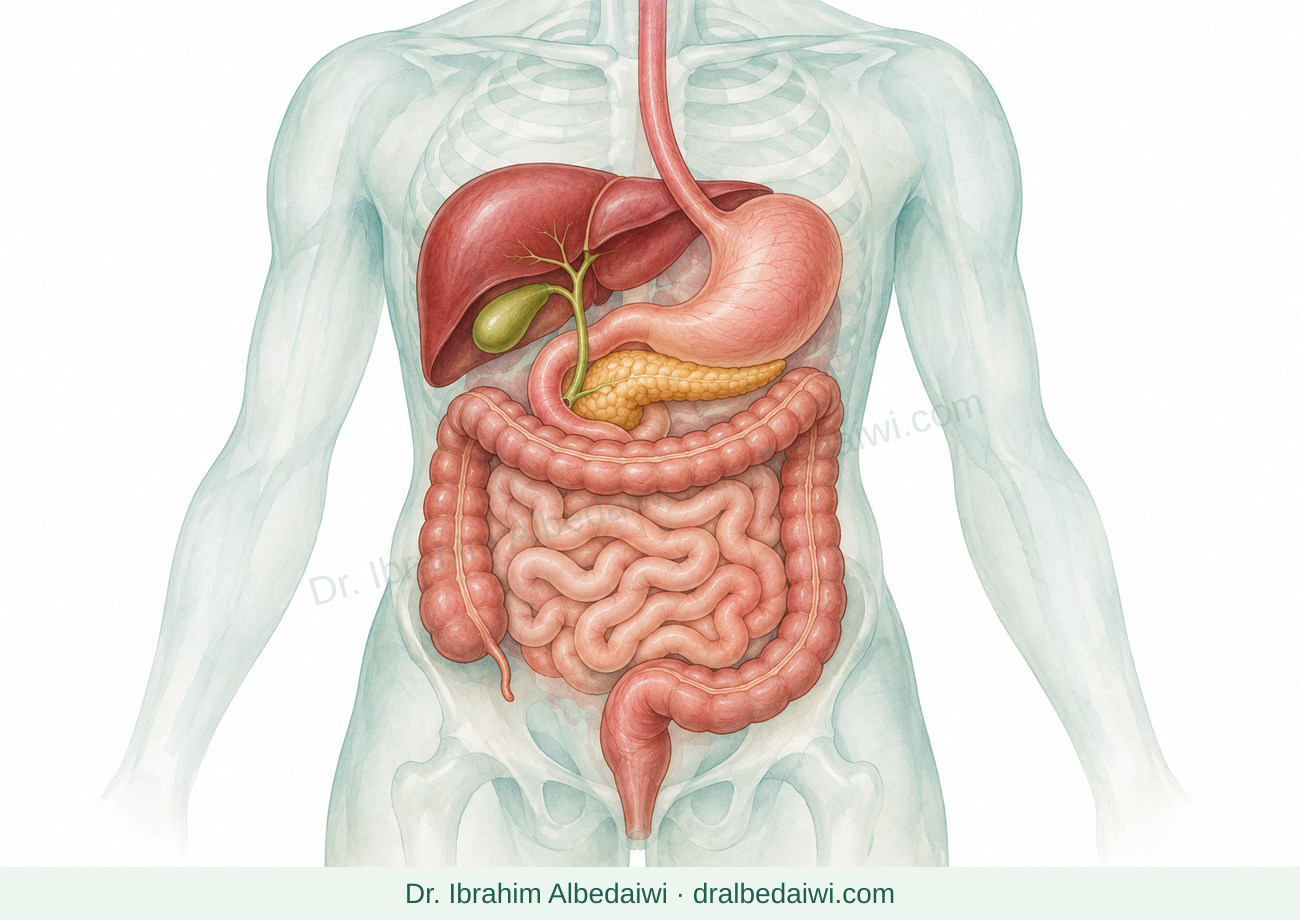

Care after liver transplantation
Content date: 13 November 2026
Taking anti-rejection medicines consistently and attending blood tests are central to protecting the transplanted liver. Problems may appear in tests before you feel symptoms.
Your next step
Check your anti-rejection medicine supply, blood-level testing instructions and transplant-team contact number.
Get urgent help: Fever with significant illness, breathing difficulty, confusion, severe pain, bleeding or markedly reduced urine. Follow your center’s temperature threshold and emergency instructions.
What has changed after transplantation?
- Transplantation replaces a diseased liver with a donor liver or part of one. The transplanted liver performs important bodily functions, but the immune system may recognize it as foreign tissue and attack it: this is rejection. Anti-rejection medicines reduce that response and are therefore usually continued for life under transplant-team supervision.
- Rejection may be detected on blood tests before symptoms develop, but abnormal tests can also have causes other than rejection. Symptoms alone do not diagnose it, and rejection does not automatically mean transplant failure. Regular monitoring helps identify it early, and it can often be treated successfully.
Anti-rejection medicines
- Take them at consistent times and follow the instructions about food. Do not stop them because tests are normal, or change the formulation or strength yourself.
- If you miss a dose or vomit after it, call the team for instructions. Do not automatically repeat the dose or double the next one.
Medicine level blood tests
- A level may need to be taken immediately before the next dose. Obtain written instructions for your last dose and blood draw, and bring the medicine to take afterwards if instructed.
- Do not delay doses all day yourself. Record dose and sample times, because interpreting the level depends on both.
Interactions and monitoring
- Check with your transplant team or pharmacist before any new medicine, including antibiotics, herbs or painkillers. Avoid grapefruit and its juice, and review the food-interaction list for your own medicine.
- Monitor liver and kidney function, blood counts, blood pressure, glucose and lipids. Rejection is not diagnosed by symptoms alone; further assessment or biopsy may be necessary.
- Check with your transplant team before Paxlovid for COVID-19: serious interactions with anti-rejection medicines require specialist management.
Prevention and nutrition
- Wash your hands and avoid exposure to infections where possible. Eat thoroughly cooked food and pasteurized dairy, and follow your transplant center’s food-safety advice.
- Review vaccinations with the team; do not receive live vaccines without their approval. Use sun protection and attend skin checks and cancer screening according to your plan.
- Increase activity gradually as your surgeon advises, and maintain a healthy weight without extreme dieting.
Prepare before travel or pregnancy
- Arrange an adequate medicine supply, reports and contact details. Discuss travel, returning to work and exercise according to your recovery stage.
- Plan pregnancy with the team in advance. Some transplant medicines can harm a developing baby and require a planned switch. Do not stop them yourself.
- Contact the team the same day for vomiting, diarrhea or difficulty obtaining medicine, as absorption or medicine levels may change.
Keep a medicine and contact backup plan
| Situation | Action to agree with the team |
|---|---|
| Before my medicine runs out | Keep the refill date and transplant pharmacy contact. Report a supply problem promptly; do not ration doses. |
| If I cannot keep medicine down | Contact the transplant team immediately for a dose plan. Do not automatically repeat a vomited dose. |
| Before a drug-level blood test | Confirm last-dose and sampling times; bring the medicine and follow the team’s post-sample instructions. |
| If the team cannot be reached | Use the written out-of-hours route. Severe illness needs emergency care, not a wait for an online reply. |
After liver transplant

Read the illustration as text
Prepare for medicine or illness problems
- Before medicine runs out: Arrange refills early and keep your transplant team’s contact.
- Vomiting or a missed dose: Contact the team promptly; do not automatically double a dose.
- Fever or a new illness: Follow your transplant contact plan; severe deterioration needs emergency care.
- New medicine or drug-level test: Check interactions and dose timing with your team before acting.
Do not stop anti-rejection medicines yourself.
When to get help
Fever with significant illness, breathing difficulty, confusion, severe pain, bleeding or markedly reduced urine. Follow your center’s temperature threshold and emergency instructions.
Any new fever, jaundice, persistent vomiting or diarrhea, missed dose or shortage of medicine: contact the transplant team the same day.
Guides for your care journey
Read the related guides together:
Related guides
Pregnancy and breastfeeding with bowel and liver disease
Fasting, travel and medicine planning
Liver transplantation: when is evaluation needed?
Living liver donation: a guide for donors and families
Anti-rejection medicines after liver transplantation: a practical guide
Tacrolimus: preventing transplant rejection
Mycophenolate: CellCept and Myfortic