

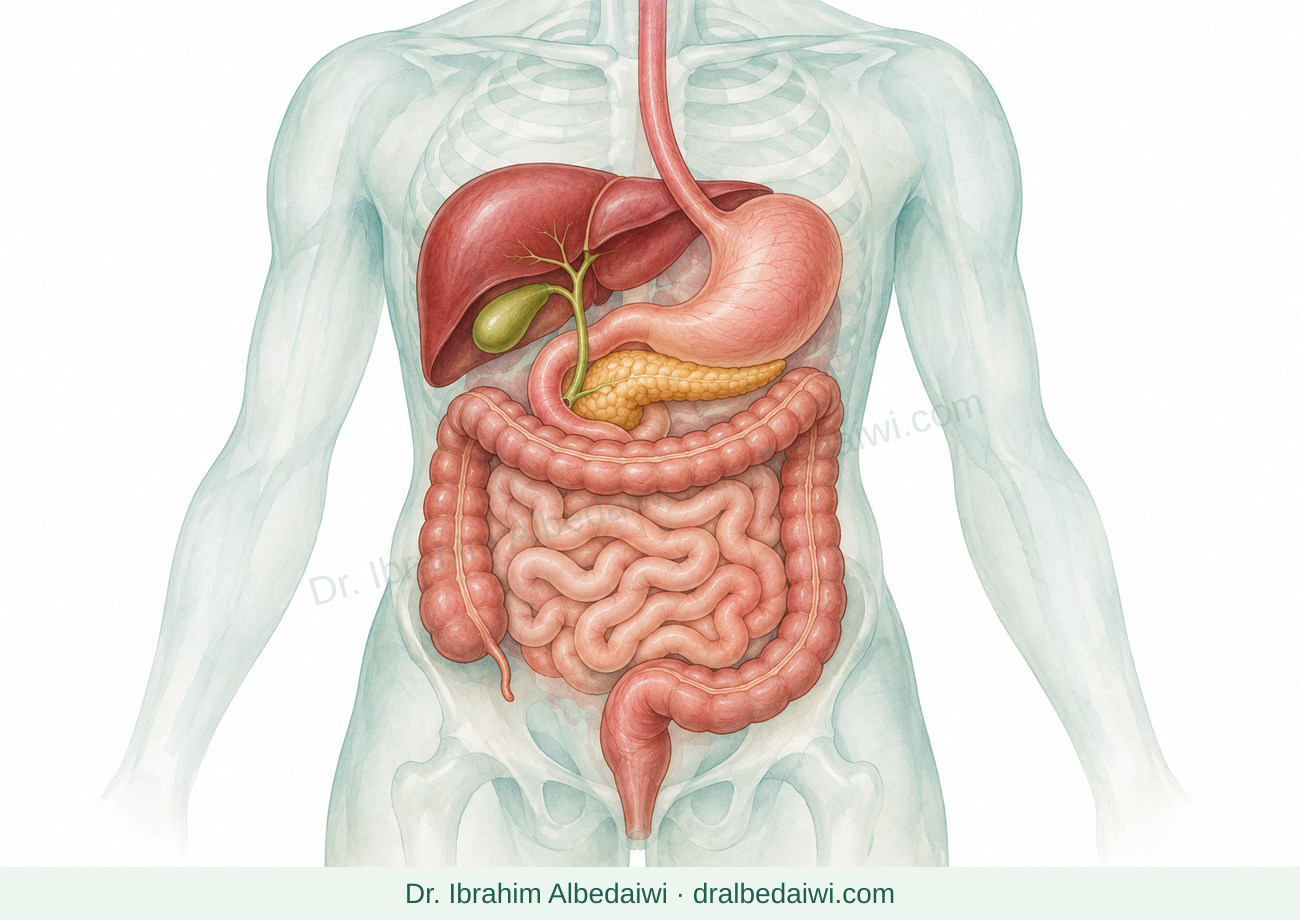

Lactose intolerance
Content date: 13 November 2026
Difficulty digesting milk sugar can cause bloating, gas and diarrhea after some foods. Tolerance varies, and complete avoidance of dairy is not always necessary.
Your next step
Record the food, amount and timing of symptoms. Discuss a focused dietary trial with your clinician or dietitian instead of excluding many foods.
Get urgent help: Lip or tongue swelling, wheezing or breathing difficulty after food may indicate a serious allergy, not usual lactose intolerance; call emergency services immediately.
How is this different from milk allergy?
- Lactose is milk sugar. Low levels of the enzyme lactase can reduce its digestion; intolerance means this causes symptoms.
- Milk-protein allergy is different. Lactose-free milk can still contain milk protein and is not automatically safe for someone with milk allergy.
How are symptoms assessed?
- The clinician asks about foods, amounts and symptom timing. A focused dietary trial with reassessment, or a hydrogen breath test, may be considered.
- Symptoms can overlap with IBS, celiac disease and other conditions. Do not assume every episode of bloating is caused by milk.
What can I eat?
- A smaller amount with a meal may be better tolerated than a large amount alone. Make limited changes and observe the result.
- Lactose-free milk is an option. Some people tolerate suitable portions of yogurt or hard cheese; tolerance of laban and yogurt depends on the product, portion and person.
- Read food labels. Lactase products may help some people when used as instructed, but are not a treatment for every episode of pain or bloating.
How can I protect my nutrition?
- If you substantially reduce dairy, discuss calcium, vitamin D and overall nutrition with a dietitian.
- Plant-based alternatives differ in protein and calcium/vitamin D fortification; check the label.
Follow-up
- If symptoms continue, seek reassessment instead of repeatedly expanding your list of forbidden foods. Another cause may need investigation.
- Do not start a gluten-free diet yourself before completing requested celiac tests.
When to get help
Lip or tongue swelling, wheezing or breathing difficulty after food may indicate a serious allergy, not usual lactose intolerance; call emergency services immediately.
Seek assessment for blood in stool, unintentional weight loss, severe or persistent symptoms, or lack of improvement after a dietary trial.
Related guides
Eating with irritable bowel syndrome