


Rifaximin
Content date: 11 November 2026
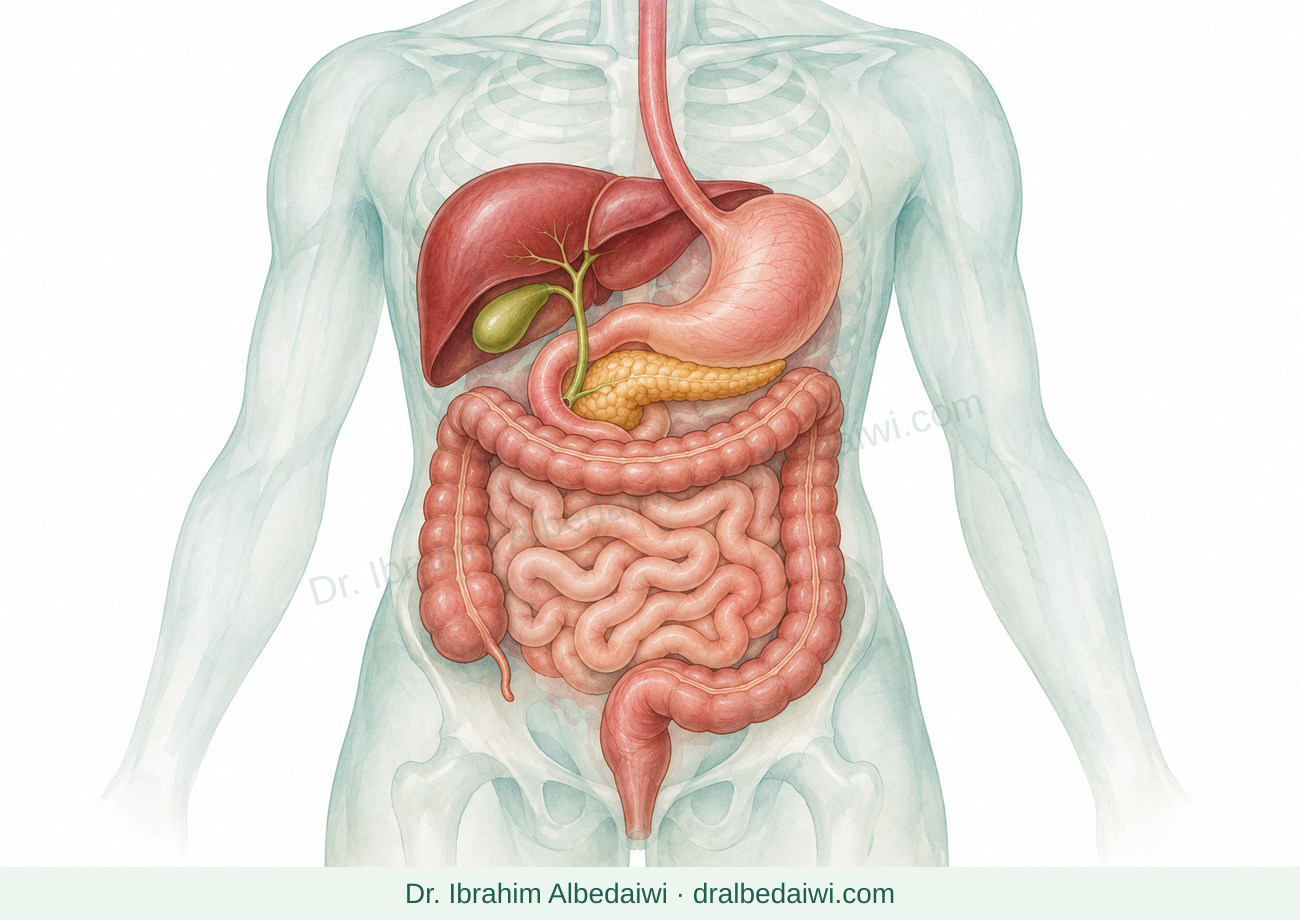
Rifaximin is an antibiotic that works mainly inside the bowel. It helps prevent recurrent hepatic encephalopathy, which can cause confusion and drowsiness, and treats selected adults with diarrhea-predominant IBS (IBS-D). A specialist may also prescribe it for selected cases of small intestinal bacterial overgrowth (SIBO). Dose and duration depend on the reason for treatment.
Your next step
Check your written prescription and monitoring plan. If anything is unclear, ask your care team before changing a dose.
Get urgent help: Seek urgent care for new confusion or marked drowsiness, facial swelling, breathing difficulty, or a blistering or peeling rash.
How do I use it?
- For hepatic encephalopathy prevention, a common adult prescription is 550 mg twice daily, with or without food. It is usually added to lactulose; do not replace lactulose yourself. IBS-D commonly uses 550 mg three times daily for 14 days. Your clinician may prescribe another course after an initial response and later recurrence. SIBO treatment needs an individual plan.
How do I store it?
- Keep the tablets in their original pack, away from children. Follow the temperature limit printed on your medicine. Ask the pharmacist if the pack was exposed to excessive heat.
What tests do I need?
- For encephalopathy, follow-up assesses alertness, bowel pattern and the underlying liver disease. Tell your team if you take warfarin: INR monitoring may need adjustment when rifaximin starts or stops. Other testing depends on the reason for treatment and your health.
Possible side effects: what to expect
- Not everyone gets side effects. Nausea, headache or dizziness may occur. Seek advice if persistent; liver disease or other medicines can contribute.
- Low absorption does not eliminate interactions or effects elsewhere in the body. Severe allergy and serious skin reactions have been reported with frequency unknown. Persistent or severe diarrhoea needs assessment for antibiotic-associated infection. Advanced liver disease and some interactions increase exposure.
Important points
- Improvement of IBS-D does not prove bacterial overgrowth. Do not repeatedly restart leftover antibiotics for bloating. When SIBO is diagnosed, its underlying cause also needs attention. Tell your clinician about rifamycin allergy, pregnancy or breastfeeding. Check the tablet strength and schedule when collecting a new supply. Tell your team if you take ciclosporin: it can increase rifaximin exposure, particularly with severe liver impairment. A specialist should review the combination; do not stop transplant medicine yourself.
Brand / device: ........................ | Dose and how I take or use the medicine: ........................
Next dose: ........................ | Next blood tests: ........................
Team contact: ........................
When to get help
Seek urgent care for new confusion or marked drowsiness, facial swelling, breathing difficulty, or a blistering or peeling rash.
Contact your clinician promptly for severe or persistent diarrhoea, especially with fever or blood, during treatment or in the weeks afterwards.