

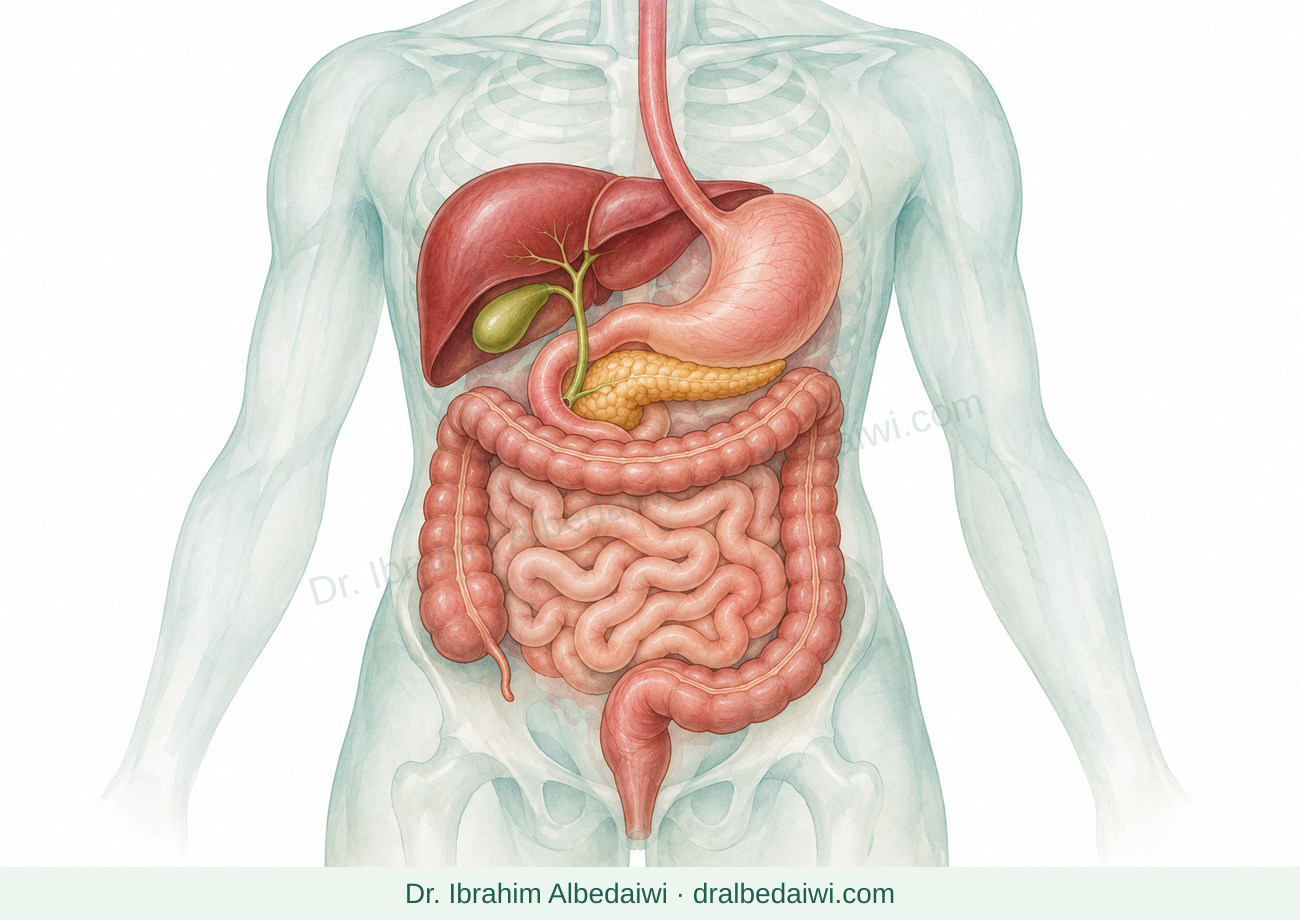

Acid medicines: proton pump inhibitors (PPIs)
Content date: 11 November 2026
Omeprazole, esomeprazole, pantoprazole, lansoprazole and rabeprazole reduce stomach acid. They treat reflux and ulcers and form part of some H. pylori treatments.
Your next step
Check your written prescription and monitoring plan. If anything is unclear, ask your care team before changing a dose.
Get urgent help: Seek emergency care for vomiting blood, black tarry stools, or new or severe chest pain, particularly with breathlessness.
How do I use it?
- For reflux, most PPIs work best 30–60 minutes before a meal: before breakfast if once daily, and before breakfast and the evening meal if twice daily. Some formulations have different food instructions; follow your own pack and prescription. Swallow gastro-resistant tablets or granules without crushing or chewing. Ask a pharmacist about options if swallowing is difficult.
How do I store it?
- Keep in the original container, away from children. Follow the temperature and moisture instructions on your particular product; liquids may have different storage requirements.
What tests do I need?
- Review the reason, dose and duration with your clinician. Kidney, vitamin B12 and bone-density tests are not routinely required solely because you take a PPI without other risk factors. Symptoms, other medicines and existing illnesses may justify targeted tests.
Possible side effects: what to expect
- Not everyone gets side effects. Headache, nausea or bowel changes are usually mild; discuss persistent or troublesome symptoms with your doctor or pharmacist.
- Kidney inflammation and severe magnesium deficiency are recognised risks; testing depends on individual risk. Many reported long-term associations do not prove causation. Keep reviewing the need and dose with your clinician rather than stopping necessary treatment yourself.
Important points
- When treatment is indicated, benefits usually outweigh potential risks. Severe oesophagitis or protection from gastrointestinal bleeding may require long-term treatment. Use the lowest effective prescribed dose. Do not stop a PPI you need because of general concerns about long-term use; temporary rebound acidity can occur after stopping. Check interactions, especially with clopidogrel, with your pharmacist.
Before testing for H. pylori
- PPIs can cause a false-negative H. pylori test, including stomach biopsy tests. For planned testing, they are usually paused for 14 days with medical approval, with 4 weeks without antibiotics or bismuth. Do not interrupt essential treatment yourself; not every gastroscopy requires stopping PPIs. A negative result during treatment may need confirmation by a breath or stool test after an appropriate interval. See My medicines before endoscopy.
My prescribed plan - complete with the team
Brand / device: ........................ | Dose and how I take or use the medicine: ........................
Next dose: ........................ | Next blood tests: ........................
Team contact: ........................
Brand / device: ........................ | Dose and how I take or use the medicine: ........................
Next dose: ........................ | Next blood tests: ........................
Team contact: ........................
When to get help
Seek emergency care for vomiting blood, black tarry stools, or new or severe chest pain, particularly with breathlessness.
Arrange assessment for progressive swallowing difficulty, unexplained weight loss, persistent vomiting or continuing symptoms despite correct use.
Related guides
Gastroesophageal reflux disease