


Chronic diarrhea
Content date: 13 November 2026
Diarrhea lasting four weeks or longer needs assessment to find the cause. It does not automatically mean IBS or an infection.
Your next step
For several days, record bowel movement frequency, stool appearance and associated symptoms. Bring your medicine list.
Get urgent help: Severe dehydration or markedly reduced urination, fainting, heavy bleeding, or severe pain with bloating or fever and feeling very unwell.
Understanding the condition
- Diarrhea means passing loose or watery stools more often than usual. It may be watery, contain blood, or be greasy and difficult to flush away. Its duration and pattern matter more than the number of toilet visits alone.
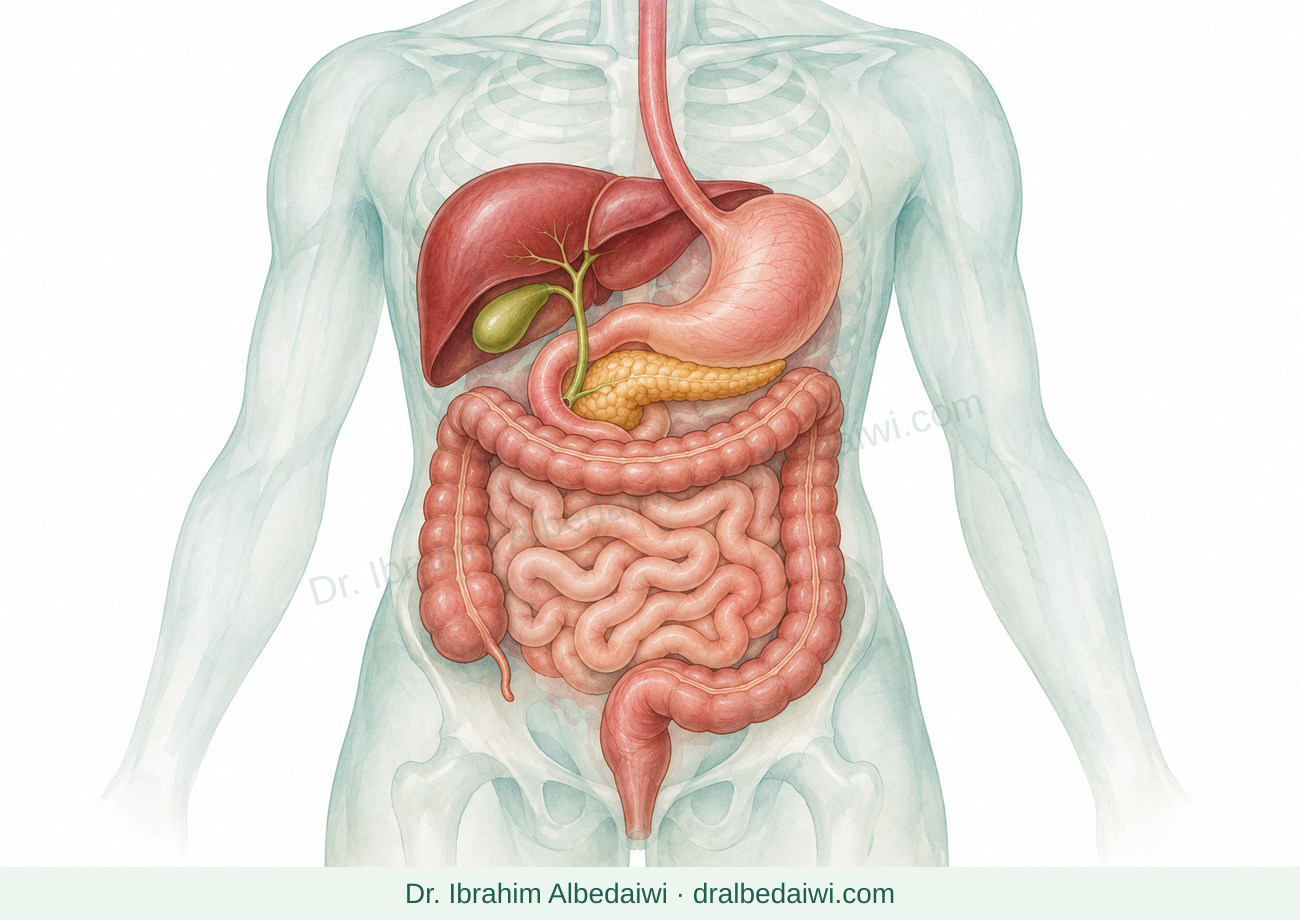
- Causes include side effects of some medicines, intolerance of certain foods, celiac disease, inflammatory bowel disease and microscopic colitis. It may also relate to altered gut–brain interaction, bile acids or poor fat digestion. Tests and treatments depend on the likely cause, and more than one cause may be present.
ILLUSTRATED PATIENT GUIDE
How to describe your stool
Original schematic drawings based on the Bristol stool classification.

- 1 · Separate hard pellets
Small, firm pieces.
- 2 · Firm and lumpy
A long piece made up of lumps.
- 3 · Formed with cracks
A long piece with cracks on the surface.
- 4 · Smooth and soft
A soft, formed piece.
- 5 · Separate soft pieces
Soft pieces with clear edges.
- 6 · Mushy pieces
Loose pieces with uneven edges.
- 7 · Watery
Liquid without formed pieces.
Types 1–2 can accompany constipation, 3–4 are usually formed stool, and 6–7 are loose or watery. Shape alone does not diagnose illness; also describe frequency, pain and any blood.
© 2026 Dr. Ibrahim Albedaiwi · Original patient illustrationsWhat will the doctor ask?
- When did it start? Does it wake you at night? Is there blood or weight loss? Mention travel, antibiotics and previous operations, particularly removal of the gallbladder or parts of the bowel.
- Bring a list of medicines and supplements, including magnesium, laxatives and diabetes medicines. Do not stop a prescribed medicine yourself.
Which tests might I need?
- Blood tests may check for anemia, electrolyte changes and celiac disease. Selected stool tests may check for infection, inflammation or poor digestion. Not everyone needs every test.
- Colonoscopy with biopsies may be needed: in microscopic colitis the lining can look normal, while inflammation is seen in samples under a microscope. Do not begin a gluten-free diet before arranging celiac testing.
What can I do before my appointment?
- Replace lost fluids. Oral rehydration solution may be needed with repeated losses. If heart or kidney disease means you must restrict fluids, follow your team’s plan.
- Eat a balanced diet as tolerated and record food and symptoms. Avoid broad restrictive diets, antibiotics or antidiarrheal medicines without assessment, particularly with blood or fever.
Why follow up?
- We treat the cause and assess weight, nutrition and response. Temporary improvement with symptom-relieving medicine does not prove the cause has gone.
When to get help
Severe dehydration or markedly reduced urination, fainting, heavy bleeding, or severe pain with bloating or fever and feeling very unwell.
Persistent diarrhea, repeated blood in stools, weight loss or nighttime diarrhea: arrange an assessment rather than assuming it is IBS.
Guides for your care journey
Read the related guides together:
Related guides
Pancreatitis and pancreatic enzyme insufficiency
Gastroenteritis and food poisoning
Fecal incontinence and bowel leakage
Follow-up after bariatric and stomach surgery